Best Soccer Balls for Toddlers: Safe, Lightweight Options for Young Players
Answering the question “which soccer balls are best for toddlers?” this guide highlights age-appropriate, soft, and lightweight options designed for 1- to 5-year-olds. The selections focus on smaller sizes, gentle materials, and durable construction to support early skills like kicking, dribbling, and coordination. The top picks are best for parents seeking safe indoor or outdoor balls, practice-friendly equipment for preschoolers, and gift ideas for toddler athletes.
| Product | Best For | Why Selected |
|---|---|---|
| Toddlers 0-2 years | Small diameter, thicker PU surface, good for indoor spaces and gentle play; includes anti-explosion design. | |
| Kids 3-8 learning fundamentals | Multiple balls in one pack; ideal for practice, teamwork, and transitions to bigger balls as kids grow. | |
| Casual play and early training | Resilient but soft, good air retention, straightforward for new players. | |
| Indoor play and beginners | Mini foam ball with low bounce for safe, easy learning and social play. | |
| Very young players and family play | Small, light, and soft; designed specifically for toddlers to enjoy first kicks safely. |
Use these products to tailor learning paths: SPDTECH and Richball are ideal for the youngest players; PlayBolt and adidas provide transition options as skills grow; Franklin Foam adds a safe indoor option. This selection aims to balance safety, usability, and value for families introducing soccer to toddlers.
SPDTECH Soccer Ball Small Size 2 Review

Best for ages 0-2 years due to the compact 5.9-inch diameter and thicker PU surface, which provides a soft yet durable feel. The ball is described as anti-explosion with a tight weave, making indoor and outdoor use feasible. It requires periodic inflation, as some air loss is expected over time. This option suits toddlers who are just starting to explore kicking and chasing games in safe, small-space environments. Better for parents seeking a tiny, easy-to-grasp ball and simple gift idea.
PlayBolt Size 3 Soccer Balls (4 Pack)

Best for families with multiple young players or for classrooms. This 4-pack includes size 3 balls designed for ages 3–8, with a circumference around 23 inches when inflated. The PVC construction and precision-stitched seams help balls hold air, maintain shape, and endure regular practice. Choose this if you want a cost-efficient set that grows with your child from toddler to beginner school-age play. A potential limitation is the size—older toddlers may outgrow size 3 quickly, so plan for an upgrade timing.
adidas Starlancer Club Soccer Ball

Best for casual play and early-stage practice. This ball uses a resilient butyl bladder for air retention and a machine-stitched construction that yields a soft touch with lasting durability. It’s a solid choice for playground or backyard fun, helping young children feel the ball as they learn to kick and pass. For very young toddlers, consider a smaller size if available, as this product is often used for beginners moving from foam or plush balls.
Franklin Sports Kids Foam Soccer Ball
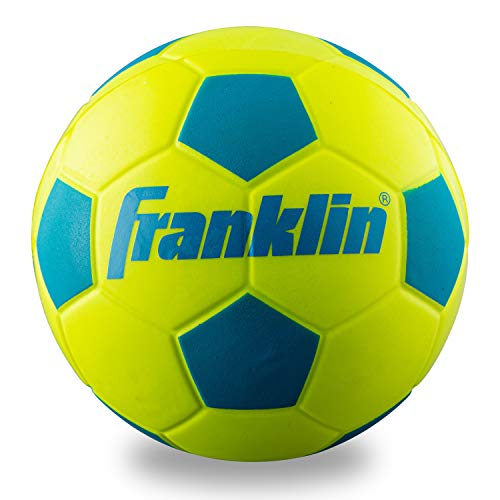
Best for indoor play and beginners who need a forgiving surface. This mini foam ball delivers a soft touch and low bounce, ideal for very young children who are still developing coordination. Its design reduces impact during shots and passes, helping kids build confidence without fear of injury. Use this when space is limited, or when you want a safe, neighbor-friendly option for living room practice.
Richball Toddlers Soccer Ball

Best for protective, toddler-specific play. This size 2 ball is designed for toddlers with a smaller diameter and lighter weight, featuring a soft surface that supports early kicks and games. It’s a practical first “real” soccer ball for the preschooler who wants to join in family games. Caution: while it’s toddler-friendly, it remains a true soccer ball, so monitor usage to align with skill level and space available.
Buying Guide: Key Considerations For Toddlers
Size matters. For the youngest players, smaller balls (size 2) fit little hands and help improve control. Weight should be light to reduce fatigue and injury risk. Look for soft covers or foam components to soften impacts during early drills and play. Consider the playing space: indoor-friendly or outdoor-appropriate surfaces may influence material choice and durability.
- Size progression: Start with size 2 or foam balls for toddlers; plan for moving to size 3 as skills grow.
- Material safety: Choose lead-free, non-toxic materials with soft surfaces to minimize injury.
- Durability: For outdoor use, ensure the ball has reinforced stitching and a sturdy bladder to resist punctures.
- Inflation and maintenance: Some balls require periodic air top-ups; check for air retention features like butyl bladders.
- Grip and visibility: Bright colors and textured surfaces help young players track and control the ball.
Frequently Asked Questions
- What size ball should a toddler start with? Answer: Size 2 or foam balls are typically best for ages 1–3 to facilitate grip and control.
- Do toddlers need a pump? Answer: Many toddler balls include a pump or are easy to inflate; consider a basic hand pump for maintenance.
- Are foam balls safer for indoor play? Answer: Yes, foam or soft-covered balls reduce impact and are ideal for indoor environments.
- Can toddlers use standard size 3 balls? Answer: Some toddlers may adapt to size 3 as they approach age 4 or 5, but most benefit from smaller sizes first.
- What should I look for in a toddler soccer ball? Answer: Small size, light weight, soft surface, durable seams, and a bladder that retains air well.
- Is it okay to have multiple balls for different ages? Answer: Yes. A mixed set helps families accommodate children at different stages and practice environments.