Best Speed Bands for Running: Top Picks for Faster Acceleration and Agility
Speed-focused runners, coaches, and athletes seek gear that safely builds hip strength, explosiveness, and dynamic agility. This guide highlights five speed bands and related training tools that are best for improving acceleration, sprint speed, and overall leg power. Each product section explains who it’s best for, why it’s a fit for speed training, and a practical limitation to consider. The buyer-friendly overview helps you compare options quickly and choose the right device for your training goals.
| Product | Brand | Why It’s Here |
|---|---|---|
| Kbands Speed And Strength Bands | Kbands Training | Comprehensive bands with training programs for youth to advanced athletes. |
| ANPOPO Speed Parachute | ANPOPO | Parachute resistance for sprint and acceleration work at varying speeds. |
| YNXing Dynamic Resistance Trainer | YNXing | Versatile resistance bands for building leg and core strength and speed. |
| Kinetic Bands Acceleration Cord | Kinetic Bands | Weighted belt-style resistance for multi-directional sprint work. |
| Vikingstrength 360° Resistance Band | VIKINGSTRENGTH | 360-degree resistance band with durable construction for track and field drills. |
Kbands Speed And Strength Leg Resistance Bands
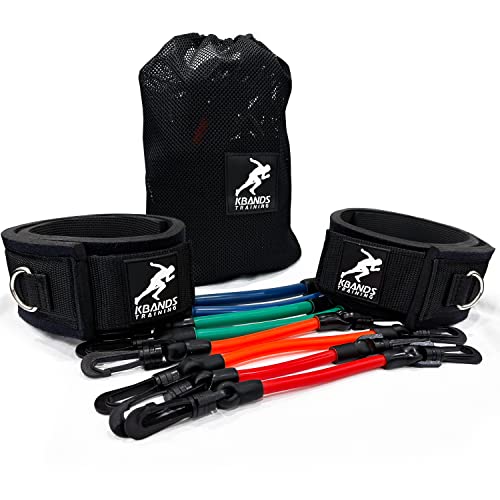
Best for athletes who want structured speed training with add-on digital programs. The set targets hip strength and explosiveness, supporting faster acceleration. It includes Speed 101 and Agility FX programs to guide training and progression. The padded thigh bands reduce discomfort during lunges, squats, and hip drives. A rotational clip supports mobility while exercising, reducing rolling or slipping. Suitable for ages 7 and up, with resistance levels that grow with a young to advanced athlete.
Who it’s best for: youth athletes starting speed work, middle-school to high-school runners, and athletes seeking a guided program alongside resistance work. Why selected: comprehensive package, built for progressive improvement, and a lifetime warranty on bands provides long-term value. Limitation: emphasis on a padded setup may be less ideal for minimalist training environments.
ANPOPO Bfsmile Speed Parachute

This parachute training aid is best for athletes focusing on acceleration and sprint mechanics. A 56-inch parachute provides 12–33 pounds of resistance, increasing with speed. You can scale difficulty by adding more parachutes or adjusting speed through drills. The belt is adjustable (20–42 inches) and designed with a secure D-ring for multidirectional runs. Choose this if your training emphasizes sprint speed on open tracks or turf. Limitation: may require ample space and safe surroundings to avoid tripping or entanglement during throws and sprints.
YNXing Dynamic Resistance Trainer
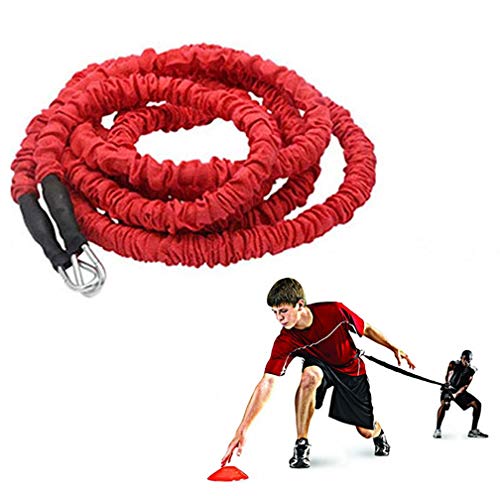
Best for all-around strength and speed development with a focus on explosive power. This trainer offers up to 80 pounds of resistance, supporting leg, hip, back, core, and upper-body engagement. It’s versatile for individual workouts or team drills and is suitable for athletes across football, running, basketball, and CrossFit contexts. It pairs well with sprint training and agility work. Limitation: resistance progression may be slower for elite sprinters without additional load or equipment beyond the bands.
Kinetic Bands Acceleration Cord
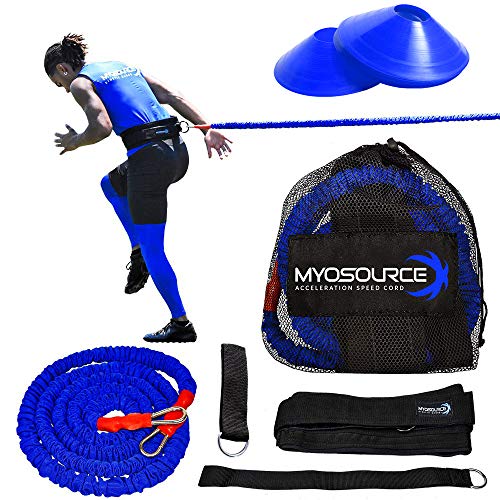
Best for multi-directional sprint work and velocity training. The product includes three belt sizes (Small, Medium, Large) to fit different waist measurements and a 360-degree D-ring that lets you pull resistance from any direction. It’s accompanied by agility cones for on-field drills. Choose this if you want portable, belt-based resistance that supports acceleration, deceleration, and re-acceleration in various angles. Limitation: may require careful belt adjustment to maintain consistent resistance during rapid directional changes.
Vikingstrength 360° Resistance Band

Best for athletes who want a durable, all-around running resistance solution with a 360-degree design. The band emphasizes explosive acceleration and speed-strength, with reinforced stitching for endurance. Its wrap-around fit aims to deliver a secure training experience across track, turf, or gym drills. Limitation: premium build may come with a higher price point; consider whether the investment aligns with your ongoing speed training volume.
Buying Guide: How To Pick Speed Bands For Running
- Training goals: Choose a system that matches your sprint speed goals (acceleration, top speed, multi-directional sprinting).
- Attachment style: Belt-based vs. thigh bands vs. parachutes; each affects movement patterns and comfort.
- Resistance range: Ensure the device provides scalable resistance aligned with your current fitness level and progression plan.
- Mobility and comfort: Look for padded components, adjustable belts, and secure hardware to prevent slipping during fast drills.
- Space and environment: Parachutes and long resistance bands require sufficient space; ensure a safe training area.
- Portability: If you train at multiple locations, prioritize compact, easy-to-carry sets with quick setup.
- Durability: Check stitching, clips, and fabric quality to minimize wear and tear under high-velocity drills.
Frequently Asked Questions
- What are speed bands best for? They are designed to improve acceleration, leg strength, and sprint mechanics for runners and field athletes.
- Should I choose a parachute or resistance bands? Parachutes add drag for sprint braking and acceleration work; bands offer versatile resistance and can be used indoors or on a track.
- Can beginners use speed bands? Yes, many sets include progressive resistance or programs; start with lower resistance and focus on form.
- How should I structure speed-band workouts? Include warm-ups, technique drills, resisted sprints, and cool-downs. Start with shorter sprints and gradually increase distance or resistance.
- Are there safety concerns? Ensure proper fit, space, and a clear area to avoid tripping. Check equipment regularly for wear and tear.
- Do these products come with training programs? Some sets include digital training guides or programs; for others, plan a structured plan with drills from reputable sources.