Best Steel Plates for Vests for Weight Vest Training
Answering the core buyer question: which steel plates for vests deliver reliable durability, a secure fit, and progressive loading across workouts? This guide highlights five top options suited for different training goals—sandbag, crossfit-style WODs, running, or heavy strength work. Best for built-in stability are curved plates; best for crisp progression are multi-weight sets; best for compact, versatile use are two-plate packs. The following picks help you choose plates that fit most weighted vests and stay in place during dynamic moves.
Summary of selected products
| Product | Weight Options | Best For |
|---|---|---|
| VEVOR Weight Vest Plates, 8.75 LB Pairs | 8.75 LB | Balanced strength training and dynamic movements |
| LEKÄRO Weighted Vest Plates, 9.8″x11″ | 5.51 / 8.81 / 15.43 / 20.94 LB (pairs) | Gradual progression and versatile WODs |
| WOLF TACTICAL Curved Weight Vest Plates | 5.75 / 8.75 / 14.5 LB | Ergonomic fit and stability |
| WOLF TACTICAL Weight Vest Plates | 5.75 / 8.75 / 14.5 / 19.75 LB | Wide progression across running and strength work |
| EVERYMATE Tactical Weighted Vest Plates | 3.75 / 5.75 / 8.75 / 14.5 / 19.75 LB | Broad range for beginners to advanced |
VEVOR Weight Vest Plates, 8.75 LB Pairs

Two 8.75 lb weight plates deliver a solid mid-range option for progressive loading. The plates are steel with rounded edges for comfort and stability. They are designed to fit into a variety of weighted vests, though the vest itself is sold separately. Best for athletes seeking a dependable, durable plate to add subtle to moderate load without compromising movement.
Who it’s best for: runners, CrossFit enthusiasts, and gymters who want a reliable mid-weight option that pairs with most vests. Why selected: durability and compatibility across multiple carriers. Caution: not a stand-alone vest; ensure your vest pockets accommodate these plates.
LEKÄRO Weighted Vest Plates, 9.8×11 Inch

LEKÄRO plates come in four weight options: 5.51, 8.81, 15.43, and 20.94 LB per pair. Flat profiles reduce shifting, and the 9.8×11 inch size fits most standard carriers. Best for progressive overload in WODs, rucking, and cardio sessions where consistent contact with the torso matters. Caution: verify vest pocket compatibility before purchase.
Who it’s best for: athletes who need precise weight progression and a stable, flush fit without plate movement. Why selected: uniform fits across multiple vest brands and sizes. Caution: weight options require careful measurement against your vest pockets.
WOLF TACTICAL Curved Weight Vest Plates
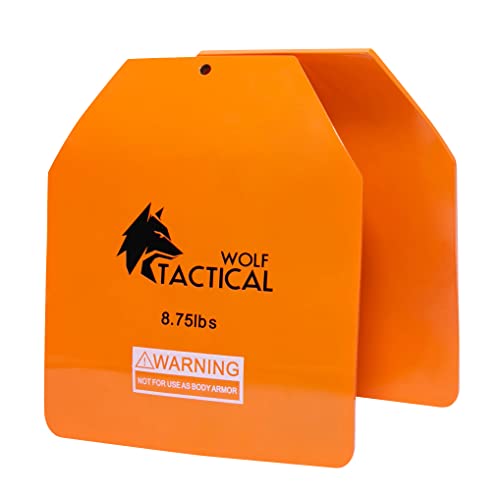
Curved plates come in 5.75, 8.75, and 14.5 LB pairs. The ergonomic curve follows the chest and back contours for a secure fit during dynamic movements. Powder-coated steel provides rust resistance and durability for indoor and outdoor use. Best for workouts that involve running and jumping where plate movement can hinder performance. Caution: curved plates may have different pocket tolerances—check your vest model.
Who it’s best for: athletes prioritizing stability and comfort during high-movement sessions. Why selected: superior contour fit reduces shifting compared with flat plates. Caution: verify pocket depth and width before buying.
WOLF TACTICAL Weight Vest Plates
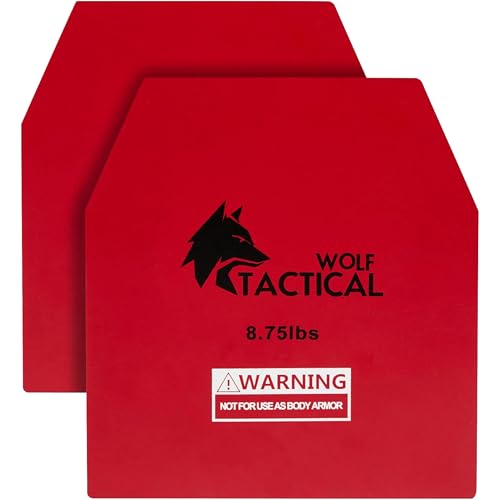
Available in 5.75, 8.75, 14.5, and 19.75 LB pairs, these plates offer broad progression for running, rucking, and bodyweight movements. Durable powder-coated steel resists rust and corrosion, ensuring long-term use. Edges are smooth for comfortable wear in a vest. Best for users who want a wide range of load options in one line. Caution: ensure your vest pockets can accommodate the higher end of weights.
Who it’s best for: athletes who need a broad weight spectrum in a single product line. Why selected: versatile set with the widest weight range among the five options. Caution: heavier options require larger vest pockets.
VEVOR Curved Weight Vest Plates, 8.75 LB Pairs

These curved 8.75 LB plates are designed for a closer, more secure fit with most weighted vests. The 3D curved design follows body contours for reduced shifting during movement. Best for steady-state and mid-range intensity workouts where a snug fit matters. Caution: vest not included; confirm pocket compatibility with your model.
Who it’s best for: users seeking curved ergonomic plates specifically designed to minimize plate movement. Why selected: curved design offers better alignment with the torso during runs and burpees. Caution: verify vest compatibility and pocket size before purchasing.
VEVOR Curved Weight Vest Plates, 5.75 LB Pairs

The 5.75 LB curved pairs provide lighter progression for beginners or for high-repetition circuits. Like other curved plates, these are designed to sit flush and reduce movement during movement-rich workouts. Best for newcomers to weighted training or for short-burst intervals. Caution: not all vests accommodate 5.75 LB curved plates—check pocket dimensions.
Who it’s best for: beginners and athletes who want a lighter entry point with curved fit. Why selected: complements a gradual training plan without overwhelming early-stage strength work. Caution: verify pocket fit for curved profiles.
IDOGEAR Tactical Plates EVA Foam SAPI Plates

IDOGEAR offers EVA foam SAPI plates designed for training overlays and lighter protection. These are not real steel plates and are intended for non-ballistic training scenarios like airsoft or wargames where realistic shape matters but weight is light. Best for practice settings or costume-like training scenarios. Caution: not suitable as real protective armor or heavy resistance loading.
Who it’s best for: hobbyists or training environments needing a lightweight, safe visual plate. Why selected: adds realism without heavy load. Caution: not intended for heavy resistance workouts.
EVERYMATE Tactical Weighted Vest Plates

EVERYMATE offers a five-pack weight option: 3.75, 5.75, 8.75, 14.5, and 19.75 LB. The standard 10×12 inch size fits most vests, and the plates are built from a composite alloy steel with corrosion-resistant coating. Best for users who want broad weight options in a single package and durable construction for outdoor use. Caution: check vest compatibility with larger weight options.
Who it’s best for: beginners through advanced trainees who want a wide choice of weights in one set. Why selected: broad range supports long-term progression and varied workouts. Caution: ensure your vest pockets can handle the largest weights in the set.
Buying Guide: Key Considerations For Choosing Steel Plates For Vests
- Weight options and progression: Determine how quickly you want to increase load. Sets with multiple weights (5.75, 8.75, 14.5, 19.75) enable gradual progression across runs, burpees, and lifts.
- Fit and pocket compatibility: Check pocket dimensions and vest model compatibility. Curved plates tend to fit more snugly, while flat plates require compatible pockets.
- Material and durability: Steel plates with powder coating resist rust and corrosion. Be mindful of edges; curved designs often reduce chafing during dynamic moves.
- Shape: Curved versus flat. Curved plates offer better torso contouring and stability; flat plates can be more universal but may shift more during high-movement sets.
- Size and profile: Standard 9.8×11 inch or 10×12 inch plates fit most carriers. Smaller or larger profiles may require specific vests.
- Use case: Choose heavier weights for strength and power work; lighter weights for endurance and cardio to maintain form and speed.
- Maintenance: Inspect for rust or bends; store plates in a dry area to extend life. Regular cleaning helps prevent corrosion.
- Safety: Do not use plates as body armor; ensure weight limits do not exceed vest manufacturer recommendations.
Frequently asked questions
- Can I mix plates from different brands in one vest?
Yes, but ensure pocket sizes and weights match your vest’s design to avoid fit issues or movement during workouts. - Are curved plates always better than flat plates?
Curved plates tend to stay closer to the body and reduce shifting, especially during running and burpees, but compatibility matters just as much as the shape. - What is a safe starting weight for beginners?
Begin with the lightest option in a multi-weight set (often around 3.75 or 5.75 LB per plate) to learn proper form and gradually increase. - Should I buy a full set or individual plates?
A full set offers balanced progression and convenience; individual plates let you tailor load to your vest and training cycles. - How do I know if plates fit my vest model?
Check the vest pocket dimensions listed by the manufacturer and compare them to the plate’s width and length before purchasing. - Do these plates affect running form?
Properly fitted plates should not significantly alter gait; however, heavier loads can change stride length and cadence, so adapt gradually.