Best Straps for Lifting Weights: Top Picks for Grip, Comfort, and Performance
Find the right lifting straps to maximize grip, reduce forearm fatigue, and keep you focused on form. This guide covers five purpose‑built options suitable for lifters of different levels—from beginners to experienced powerlifters. Each pick targets common grip limits, whether you’re pulling heavy deadlifts or grinding high‑volume rows. The following table highlights who each product is best for and the core benefit.
| Product | Best For | Key Benefit |
|---|---|---|
| Gymreapers Lifting Straps (Black) | Heavy deadlifts and back work | Neoprene padding plus cotton straps for comfort and grip security |
| Harbinger Padded Cotton Lift Straps | Long sessions with wrist comfort | NeoTek padded wrist cushions and extended length |
| COFOF Weight Lifting Wrist Strap | Leather‑based durability and a secure fit | Double‑layer leather with padding and adjustable hook/loop |
| Fitgriff Lifting Straps | Versatile, comfortable for varied workouts | Cotton with neoprene padding and two sizing options |
| DMoose Fitness Weight Lifting Hooks | Heavy pressing and pulling without grip fatigue | Anti‑rip nylon with thick wrist padding |
Gymreapers Lifting Straps — Black
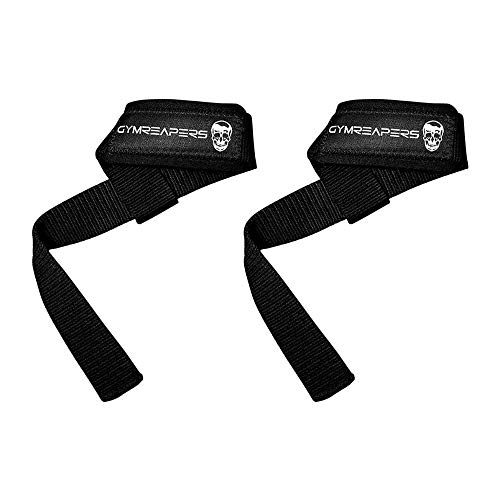
The Gymreapers lifting straps are designed to minimize grip fatigue during demanding lifts such as deadlifts, rows, and shrugs. Best for lifters who want reliable bar security without sacrificing wrist comfort. The padded neoprene wrist padding helps prevent digging and irritation, allowing longer sets and higher volume. Use these when grip strength is the limiting factor rather than back or lat engagement. Caution: cotton straps may loosen slightly with very high volume, especially if not tightened properly.
Harbinger Padded Cotton Lift Straps

Harbinger’s padded cotton straps pair a longer 21.5″ length with NeoTek wrist cushions to reduce wrist pressure during heavy pulls, rows, and shrugs. They are best for lifters who perform high‑repetition sets or longer training sessions where wrist comfort is crucial. Choose this if you need a wider wrap and enhanced wrist protection. Limitation: longer straps can take more time to secure than shorter models on quick transition days.
COFOF Weight Lifting Wrist Strap

COFOF offers a leather‑based deadlift strap with double layers and a reinforced clasp, designed to protect the hands and reduce wrist squeeze. Best for lifters seeking durable leather construction and a secure fit, capable of handling heavier lifts with less strap slippage. The thumb‑sized D‑ring and padding provide comfort, though leather may feel stiffer initially and require break‑in time.
Fitgriff Lifting Straps — Cotton With Neoprene Padding

Fitgriff straps emphasize secure and focused training. Built from dense cotton and paired with neoprene padding, they aim to reduce forearm fatigue while supporting a wide range of lifts, including deadlifts and pull‑ups. They come in two sizes to better fit different wrist circumferences, making them a versatile choice for mixed workouts. Caution: ensure proper wrap technique to avoid strap slippage during heavy reps.
DMoose Fitness Weight Lifting Hooks

DMoose weight lifting hooks feature anti‑rip nylon with thick wrist padding, designed to minimize grip fatigue during deadlifts, pull‑ups, rows, and shrugs. Best for lifters who need a robust, sport‑style grip that locks the hands to the bar and reduces slipping in sweaty conditions. Limitation: hooks may feel bulkier for lighter sets or high‑speed movements where a tighter wrap is preferred.
Buying Guide
What material should I choose? Cotton straps are common and comfortable, while leather straps offer durability and a tighter feel. Neoprene padding adds wrist comfort for high‑volume training. Consider strap width and length as longer straps reduce slippage but may take longer to wrap.
What lift types matter most? For deadlifts and rack pulls, a secure wrap that prevents bar slippage helps maintain grip and lift consistency. For high‑volume rows and carry variations, wrist padding and strap length can reduce fatigue and improve performance.
What fit considerations are important? Look for adjustable wraps or multiple size options to prevent slipping during lifts. If you have smaller wrists, ensure the strap length and padding won’t impede movement. If you frequently train with sweaty grips, non‑slip coatings or reinforced stitching are beneficial.
How should I break in new straps? Start with light sets to acclimate to padding and wrap tension. Recheck the fit after a few sessions and adjust as needed. Some leather straps may require a short break‑in period before they feel comfortable.
FAQ
- Are lifting straps necessary for beginners?
They’re not mandatory, but they’re helpful for beginners to learn form while gradually building grip strength. Start with lighter loads to avoid overreliance on straps.
- Can lifting straps improve overall lifting performance?
Yes, by reducing grip fatigue, they allow you to perform more work with the target muscles, especially on pulling movements.
- Which strap type lasts longer?
Leather straps tend to be more durable over time, while cotton straps are currently easier to adjust and often more comfortable initially.
- What is the difference between straps and hooks?
Straps wrap around the bar for grip, while hooks provide anchor points that can lock the hand to the bar, often offering quicker setup for some lifters.
- How should I care for lifting straps?
Keep them dry and clean; inspect stitching regularly and replace if there are frays or tears to prevent failure during lifts.
- Are there any safety concerns?
Use proper wrap technique and avoid over tightening to prevent restricted blood flow or restricted wrist movement.