Best Straps for Working Out: Top Picks for Grip, Support, and Flexibility
Looking for the right workout straps to enhance your lifts, deepen stretches, or support rehab goals? This guide highlights five Amazon picks that balance grip security, wrist comfort, and versatility. The best choice depends on your activity: powerlifting and deadlifts benefit from padded, secure straps; stretching and physical therapy benefit from longer, looped or adjustable options; beginners may prefer lightweight bands and multi-sets for gradual progression. Use the brief product table below to compare options at a glance.
| Product | Best For | Type | Key Benefit |
|---|---|---|---|
| Gymreapers Lifting Straps | Deadlifts, Rows, Back Day | Lifting Straps | Padded neoprene for comfort, strong grip |
| Abiarst Stretching Strap | Physical Therapy, Flexibility | Stretching Strap | 10 loops, non-elastic, long reach |
| Renoj Resistance Bands 5-Pack | Full-body workouts, beginners | Resistance Bands | Multi-level resistance, versatile use |
| FITFIV Lifting Straps | Strength training, wrist protection | Lifting Straps | Cotton-cotton blend with neoprene padding |
| Harbinger Padded Cotton Lift Straps | Heavy lifts, long sessions | Lifting Straps | NeoTek padding, extended length |
Gymreapers Lifting Straps for Weightlifting
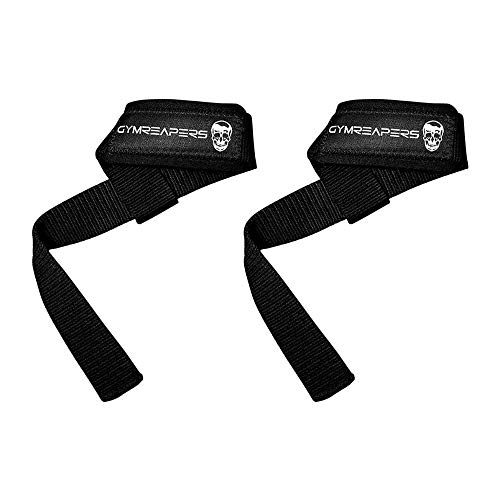
Best for: lifters who want to maximize pulling power without grip fatigue. These classic cotton lifting straps lock your hands to the bar, enabling higher volume in deadlifts, rows, and back work. The padded neoprene wrist area adds comfort during heavy sets, reducing irritation and allowing you to stay locked in.
Why selected: the straps focus on grip reliability and load progression. They shift workload back to target muscles and minimize forearm fatigue, supporting longer, more productive pulling sessions.
Limitations: the padding adds comfort but may feel bulkier for users who prefer minimalistic straps. Ensure a secure wrap around the bar to prevent slippage during explosive reps.
Abiarst Stretching Strap Yoga Straps
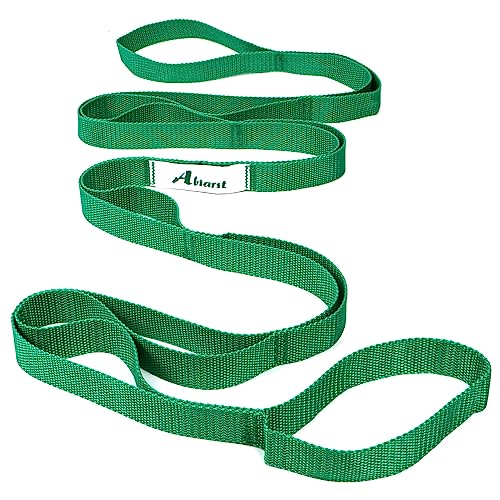
Best for: physical therapy, Pilates, and daily stretching. The strap features 10 loops and a longer reach, making it easier to target multiple muscle groups and improve range of motion over time.
Why selected: its durable, non-elastic design helps maintain consistent tension without stretch loss, which is beneficial for progressive flexibility routines and guided rehab programs.
Limitations: non-elastic bands require proper technique to maximize stretch gains; avoid forcing beyond comfortable limits to reduce injury risk.
Renoj Resistance Bands 5-Pack

Best for: beginners to intermediate athletes seeking a full-body workout option. The set includes five resistance levels, allowing gradual progression in strength, flexibility, and rehabilitation exercises.
Why selected: the natural latex bands provide consistent tension across movements, making them suitable for glute work, hip stretches, upper-body pulls, and leg circuits. The multi-pack supports a scalable training plan.
Limitations: latex content means some users with sensitivities should check for reactions; choose non-latex alternatives if needed for allergies.
FITFIV Lifting Straps with Neoprene Padding

Best for: weightlifters who want wrist protection and a secure grip during pressing and pulling movements. The combination of cotton straps and a 4mm neoprene hand wrap offers durability and comfort during heavy work.
Why selected: designed to distribute load to reduce wrist strain while still allowing strong bar control. The measured length supports wrapping around many bars for stable grip during intense sets.
Limitations: some users may prefer lighter or leather versions for different bar textures; ensure the strap length fits your bar and exercise style to avoid looseness during reps.
Harbinger Padded Cotton Lift Straps

Best for: lifters seeking extended wrap options and cushioned support. The Neotek padded wrist cushion reduces friction during heavy lifts like deadlifts, rows, and farmer carries.
Why selected: longer than standard straps and wider cotton strap improve surface contact and grip stability, reducing slippage during high-rep sets and multi-rep routines.
Limitations: extended length may require more setup space or practice to wrap efficiently for smaller bars or dumbbells.
Buying Guide: How To Choose The Right Workout Straps
What goal matters most? Grip security, wrist comfort, or range of motion. Consider bar type, lift style, and training volume when selecting straps or bands.
- Purpose: Use lifting straps for heavy pulling movements; stretch straps for mobility and rehab; resistance bands for progressive resistance.
- Material: Cotton straps are durable and forgiving; neoprene padding adds comfort; latex bands offer consistent tension but may irritate sensitive skin.
- Length and loops: Longer straps provide more wrap options; a strap with multiple loops supports adjustable tension in stretching or therapeutic routines.
- Resistance levels: For bands, start with light resistance and gradually increase; ensure the total resistance matches your current strength and goals.
- Durability: Look for reinforced stitching and high-quality hardware; check for fraying or wear signs before heavy use.
- Safety: Prioritize secure grips, non-slip handles, and comfortable padding to minimize wrist strain during intense sessions.
Usage Scenarios To Consider
- Weightlifting: Choose straps with neoprene padding and a secure wrap to maximize load on the target muscle and protect wrists.
- Stretching and flexibility: Multi-loop straps with long reach help achieve deeper stretches without forcing joints.
- Rehabilitation: Non-elastic or low-resistance bands support controlled, safe movements under guidance.
Maintenance And Care
- Clean straps according to fabric guidance; air-dry thoroughly before storage.
- Inspect for wear or fraying after heavy use; replace any worn components to avoid failure during lifts.
- Store away from direct sunlight to prevent material degradation over time.
Frequently Asked Questions
- What strap type is best for beginners? Resistance bands or multi-loop stretching straps offer gradual progression and versatile routines.
- Do lifting straps help with wrist safety? Yes, padded or properly wrapped straps can reduce wrist strain during heavy pulling.
- Are latex-free bands better for sensitive skin? They are safer for users with latex allergies, but check for other irritants in materials.
- Can straps replace a dumbbell or barbell grip? They supplement grip but do not replace overall grip training; continue grip-specific work.
- How do I know if a strap length fits my equipment? Measure the bar diameter and typical wrap count; longer straps suit heavier bars or multiple wraps.
- What maintenance steps extend strap life? Clean, dry, and inspect regularly; avoid overstretching non-elastic straps.