Best Bow String Options for Traditional and Modern Bows
Find the right bow string or accessory to improve accuracy, durability, and reliability. This guide highlights top bow strings and serving thread suited for traditional longbows, recurve bows, and modern setups. It’s ideal for archers seeking durable replacements, easy maintenance, and clear buying guidance. The best picks are for target shooters, bow hunters, and casual outdoor archers alike. Below is a quick reference table of the five products chosen for clear comparison.
| Product | Type | Best For | Notable Point |
|---|---|---|---|
| Deerseeker Flemish D97 Bow String | Flemish D97 bowstring | Traditional longbows and recurves | Hand-twisted, 16 strands, durable |
| TOPARCHERY Bow String (53″ / 135 cm) | 53″ traditional bowstring | Recurve and longbows needing precise fit | High-strength dacron, good vibration absorption |
| KESHES Dacron Bow String Replacement (16 strands) | Dacron bowstring | Durable, consistent performance | AMO length variations, customizable strands |
| Bohning Tex-Tite Bowstring Wax | Bowstring wax | Synthetic fiber strings maintenance | Natural-based, U.S. manufactured |
| Mozeat Lens Bowstring Serving Thread | Serving thread | Peep sights, nocks, and string maintenance | High tensile strength, compact roll |
Deerseeker Flemish D97 Bow String
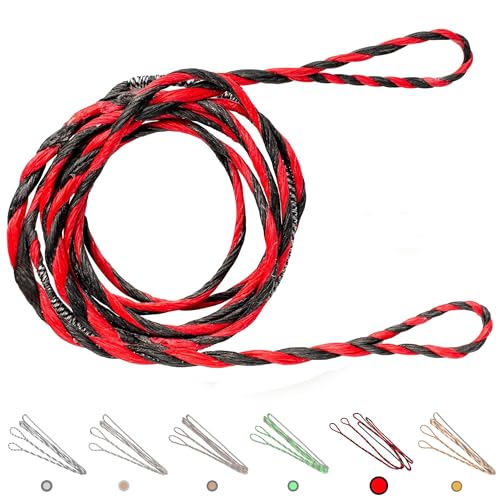
What it is: A D97 Flemish bowstring designed for longbows and recurve bows, handmade with 16 strands. The center serving is 2.84 mm, suitable for consistent arrow nocking. The string is offered in color options like Browngrey and Red Black. Best for archers who want long-lasting performance and quick arrow flight from a traditional setup.
Why it’s selected: Its D97 fiber is renowned for durability and stable performance in tournaments and outdoor practice. Hand-twisted construction reduces stretch and increases the string’s ability to absorb vibration, contributing to smoother shots on longbows and recurve bows.
Who it’s best for: Traditional bow enthusiasts and tournament shooters who prefer a robust, long-lasting string that resists wear under higher draw weights (60–80 lbs). It’s also suitable for 3D target shooting and bow hunting activities, where quick and steady flight matters.
Limitations: The actual length can differ from the AMO stated length depending on bow configuration; confirm fit to avoid re-tuning your bow. Some color options may be more visible in certain lighting than others.
TOPARCHERY Bow String (53″ / 135 cm)
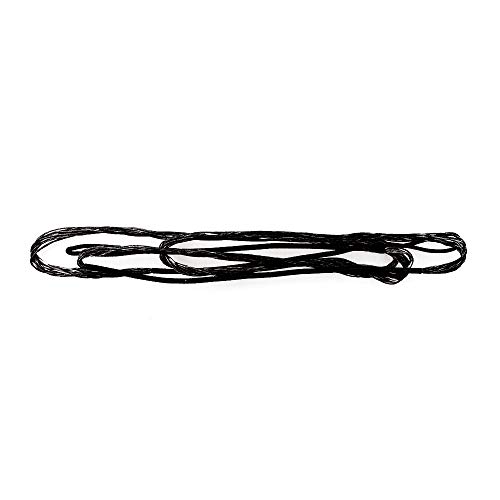
What it is: A traditional recurve and longbow string sized at 53″ / 135 cm, designed for a precise, universal fit across most traditional bows. It’s a 14-strand construction crafted from high-strength Dacron, engineered to absorb vibrations for quieter, smoother shooting.
Why it’s selected: Its precision fit and durable construction make it a reliable replacement string for daily practice and regular range sessions. The 14-strand design balances power and handling, aiding consistent launches without excessive stretch.
Who it’s best for: Archers who want a straightforward, reliable replacement string for commonly sized traditional bows. Suitable for both new setups and mid-season replacements where vibration dampening matters for target consistency.
Limitations: It’s sized for 53″ bows; if your AMO length differs, you’ll need a different length or strand count to fit your bow’s requirements.
KESHES Dacron Bow String Replacement (16 Strands)

What it is: A Dacron bowstring replacement available in 12, 14, and 16 strands, with lengths that range from 44″ to 70″ and two brass nocks included. The B-55 Dacron string variant emphasizes durability and consistent performance across practice and target shooting.
Why it’s selected: The flexible strand options let archers tailor the string to draw weight and bow length, offering smoother launches with fewer strings for lighter bows and more strands for heavier bows. The kit approach supports customization for a secure fit and reliable launches.
Who it’s best for: Archers who want a customizable replacement that can be tuned to specific draw weights and bow lengths. It’s ideal for traditional recurve and longbows where value and durability matter.
Limitations: The labeling emphasizes AMO length and strand count; ensure you choose the correct combination for your particular bow to maintain performance consistency.
Bohning Tex-Tite Bowstring Wax

What it is: A wax formulated for synthetic fiber bowstrings to help reduce friction, maintain string life, and support smooth performance. It is natural-based and produced in the United States.
Why it’s selected: Regular maintenance with bowstring wax helps prevent fraying and excessive wear on synthetic strings. Bohning’s wax is specifically designed for modern bow materials, making it a practical upkeep product for string longevity.
Who it’s best for: Arches using synthetic fiber strings who want a straightforward maintenance product to extend string life and maintain performance during long practice days.
Limitations: Waxing frequency depends on usage and environment; over-waxing can attract dust or reduce string slickness if over-applied.
Mozeat Lens Bowstring Serving Thread

What it is: A serving thread designed for bowstrings, using polymer polyethylene for strength and durability. It’s compact and suitable for tying peep sights, nocks, and other string-related repairs.
Why it’s selected: A stronger serving thread improves the reliability of peep sights and nock points, minimizing maintenance interruptions during practice. The multistrand braided composition adds resilience to wear and tear.
Who it’s best for: Archers performing string maintenance or installations that require precise serving, such as peep sight installations or restorations of damaged serving sections.
Limitations: This is a serving thread, not a full string replacement. It must be used in conjunction with a suitable bowstring for best results.
Buying Guide
What should I consider when choosing a bow string?
Bow string selection depends on bow type (traditional, recurve, longbow), AMO length, and draw weight. A proper fit ensures efficient energy transfer, accurate launches, and comfortable shooting. Consider strand count (for Dacron strings), material (D97 vs. Dacron), and overall durability.
How do I know the right length and strands?
AMO length indicates bow length; actual string length is typically shorter by several inches depending on the string system. Many strings specify strand counts (12, 14, 16) to balance power and smooth launching for given draw weights. Match these to your bow’s specifications.
What maintenance helps string life?
Regular waxing of synthetic strings reduces friction and wear. Proper serving maintenance improves stability of peep sites and nocks. Store strings away from extreme heat and moisture to preserve elasticity and strength.
When should you replace a string?
Replace a string if you notice fraying, broken fibers, persistent string creep, or a drop in performance. Frequent practice with high draw weights is a common reason to replace strings sooner rather than later.
What about serving thread versus whole-string replacements?
Serving thread is essential for installing peep sights or tying nocks and to repair damaged serving. Whole-string replacements are needed when the string itself shows significant wear, fraying, or loss of performance. Use serving thread for targeted repairs and a string replacement for full string needs.
Is it okay to mix brands?
Mixing brands is generally not recommended for optimized performance. When replacing, align the string material with bow type and draw weight, and maintain consistent serving practices to avoid uneven wear.
FAQ
- What is the best bow string for a traditional longbow? A 16-strand D97 Flemish string designed for longbows provides durability and quick flight with stable vibration absorption.
- Can I use a 53″ string on a 52″ bow? Check the AMO length of your bow; slight differences can affect performance, so choose the closest match and verify fit.
- Is bowstring wax necessary? For synthetic fiber strings, waxing helps reduce friction and prolongs life; apply as recommended by the manufacturer.
- When should I use serving thread? Use serving thread for installing peep sights, tying in nocks, or repairing damaged serving areas on the bowstring.
- Are two different string brands compatible? Compatibility depends on string material and construction; for best results, use strings designed for your bow type and draw weight.
- What is AMO length? AMO length is the bow’s standard measurement; actual string length is typically shorter and varies with string construction.