Best Waist Lights for Trail Running: Safer, Hands-Free Night Runs
Answering the most common search intent, these waist lights provide hands-free visibility for trail runners who prefer low-bulk, stable gear. The top picks suit different needs: ultra-light comfort for long nights, higher-lumen outputs for dense terrain, and versatile mounting for chest or waist use. Below, five waist lights are analyzed for comfort, beam quality, water resistance, and battery longevity so you can choose with confidence.
Summary table of chosen products:
| Product | Best For | Key Benefit | Potential Limitation |
|---|---|---|---|
| UltrAspire Lumen 400Z 3.0 | Balanced daily trail runs | Steady beam, low weight | May have smaller battery capacity |
| UltrAspire Lumen 850 Duo | Longer night runs | Rechargeable, long burn time | Higher price |
| noxgear Nomad Clip-On | Versatile mounting | 500 lumens, secure bounce-free clip | USB-C cable required |
| UltrAspire Lumen 600 | Clear daylight-like visibility | Wide beam, race-fit design | Mid-range intensity |
| Hopedone Running Light | Budget-friendly power | 1000 lumens, wide 230° beam | Battery life varies by mode |
UltrAspire Lumen Collection Waist Light Belt 400Z 3.0

The 400Z 3.0 offers a lightweight, low-profile option with a steady lumen output. Best for runners who value a near-invisible on-the-body feel and predictable brightness across the run. The conical belt shape distributes weight evenly to minimize bounce, making it a solid choice for shorter, technical trails where focus and stability matter most.
Best for: runners who want a minimal, fast-to-attach waist light for regular night runs. Why selected: balance of low weight, consistent beam, and stable ride without extra bulk. Limitation: lower lumen ceiling compared with higher-capacity models may be less ideal on foggy or very rugged terrain.
UltrAspire Lumen Collection Waist Light Belt 850 Duo

The 850 Duo emphasizes long burn times and flexible power management. It features a broad feature set with Race Fit, Fatigue Free buckles, AutoCool, Widebeam, EnduraLight, and USB-C charging. This model is better for long trail nights, winter runs, or routes with extended darkness where planning charge windows matters. It ships with a rechargeable option for quick top-ups on the go.
Best for: runners needing extended runtime and multiple modes. Why selected: high endurance, robust beam options, and a modern charging interface. Limitation: higher price point and added electronics can impact weight and complexity for casual night jogs.
noxgear Nomad Clip-On Running Light

This 500-lumen wearable light is designed for hands-free versatility. Clip it to a chest strap, waist belt, or pack, turning any setup into a bright, stable flashlight for night runs, hikes, or urban exploration after dark. Its wide flood beam helps illuminate the ground ahead while maintaining peripheral awareness, enhancing safety on uneven terrain.
Best for: runners who want flexible mounting and strong, bounce-free performance. Why selected: secure clip with steady beam; however, you’ll rely on USB-C charging and may need additional accessories for extended trips. Limitation: clip-on setup may feel less integrated than a dedicated waist strap on some bodies.
FlipBelt Night Running Light Waist Lamp

The FlipBelt light offers 500 lumens with three modes (low, high, strobe) and a 12-hour burn time, housed in an IPX6 waterproof aluminum shell. Its design emphasizes ease of use for users who value reliable, straightforward operation and hands-free ground illumination at a practical price point. The belt’s front-facing beam helps you see steps and roots without aiming a headlamp.
Best for: budget-conscious runners who want dependable power and simple operation. Why selected: durable build, long runtime, and secure, front-angled illumination. Limitation: bulkier than ultra-minimal waist lights and may feel more prominent on lean frames.
UltrAspire Lumen Collection Waist Light Belt 800 Solstice
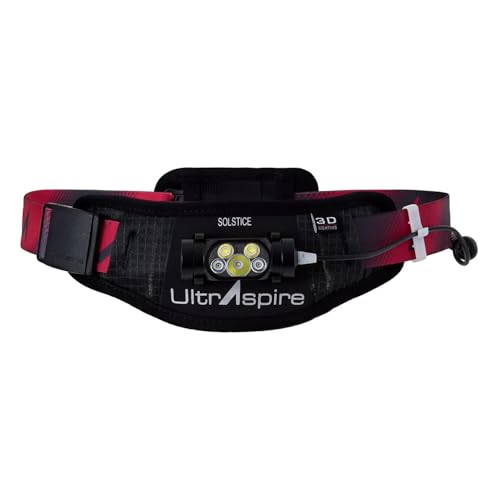
The 800 Solstice features an IPX7 rating and a robust beam profile designed for the longest or harshest night runs. It uses an ErgoFit Waist pattern for a snug feel and stable ride, with a long battery life in high and medium modes. It’s particularly suitable for runners facing variable weather and rugged, remote trails where reliability is critical.
Best for: runners needing weather resistance and long-lasting performance. Why selected: strongest waterproofing in the lineup and a substantial runtime. Limitation: higher weight compared with lighter models; more features may not be necessary for casual night jogs.
Hopedone Running Light 1000 Lumens

Hopedone offers a high-lumen option with a wide 230-degree beam and a rechargeable design. This model emphasizes visibility and coverage, letting runners illuminate more of the path ahead and to the sides. It includes multiple lighting modes and a large pocket for easy access or storage during runs.
Best for: runners who need broad coverage and maximum brightness. Why selected: best-in-class 1000-lumen output among the listed options and wide beam. Limitation: higher brightness can shorten battery life on certain modes and may cause glare in highly reflective trails.
Buying Guide
- Beam quality and coverage: Look for Widebeam or 100°+ flood beams for ground-level visibility and peripheral awareness. A steady beam helps prevent eye fatigue on long runs.
- Weight and comfort: Choose a belt with a conical or ErgoFit design to reduce bounce and improve breathing rhythm on inclines.
- Battery and charging: USB-C charging is convenient for quick top-ups. Consider burn time in high vs. medium modes for your typical run length.
- Water resistance and durability: IP ratings indicate performance in rain or damp trails. IPX7 is better for wet conditions than IPX6.
- Mounting versatility: Clip-on options expand compatibility with other gear, but built-in waist belts generally offer more stability on rough terrain.
- Budget considerations: Higher lumen counts and longer burn times come at a price. For regular night runs on moderate trails, mid-range options often balance performance and value.
Frequently Asked Questions
- What makes a waist light better than a headlamp for trail running? Waist lights provide hands-free operation with a lower glare angle, reducing eye fatigue and glare on uneven ground while keeping hands free for balance.
- How bright should a waist light be for night trails? For most trails, 300–600 lumens is adequate, while 800–1000 lumens are useful on very dark, technical or remote routes.
- How long do waist light batteries typically last? Burn times vary by mode; expect several hours on high with mid-range models and longer runtimes on lower brightness settings.
- Are waist lights waterproof? Many models are IP-rated; look for IPX6 or higher if you expect rain or puddles on trails.
- Can waist lights clip onto other gear? Some models include clip-on functionality, offering flexibility for chest, waist, or pack mounting.
- Do these require charging cables? Most modern waist lights use USB-C charging for quick top-ups during multi-night trips.