Best Warmest Gloves for Skiing: Top Picks for Cold-Weather Comfort
The best warmest gloves for skiing deliver insulation, moisture management, and reliable grip in cold, windy conditions. This guide highlights five top options tailored to different needs, from high-intensity activities to family snow days. Ideal buyers include: fast-drying athletes who sweat easily, parents seeking durable mittens for kids, and hikers who need windproof, water-resistant gear. Read on to compare warmth, material tech, and fit to choose the right pair for your ski season.
| Product | Brand | Best For |
|---|---|---|
| TRENDOUX Winter Gloves | TRENDOUX | Active skiers who want high warmth with touchscreen use |
| Pnosnesy Ski Gloves | Pnosnesy | Snow lovers needing waterproof, cold-weather protection for extreme temps |
| Tough Outdoors Waterproof Ski Mittens | Tough Outdoors | Snowboarders and riders who prefer mitten warmth and dry hands |
| Seirus Innovation 1425 All-Weather Glove | Seirus | Lightweight warmth with dexterity for varied winter activities |
| SIMARI Winter Gloves | SIMARI | Casual to mid-activity use with touchscreen compatibility |
TRENDOUX Winter Gloves: 3M Thinsulate Warmth

Best for high warmth with mobility. These gloves use 3M Thinsulate insulation, offering warmth comparable to heavier options without bulk. They feature fast-dry lining that wicks moisture away, helping hands stay dry during intense activities. The back-of-hand coating and PU leather palms provide water resistance and wind protection. A self-adjusting wrist strap and snug cuffs improves overall protection. Choose this if you need strong insulation that remains lightweight and allows touchscreen use.
Who it’s best for: skiers or outdoor enthusiasts who want a warm glove that still allows smartphone controls and navigation in cold conditions. Limitation: the insulation is designed for general cold; extreme, sub-zero expeditions may demand layered protection.
Pnosnesy Ski Gloves: Waterproof And Breathable
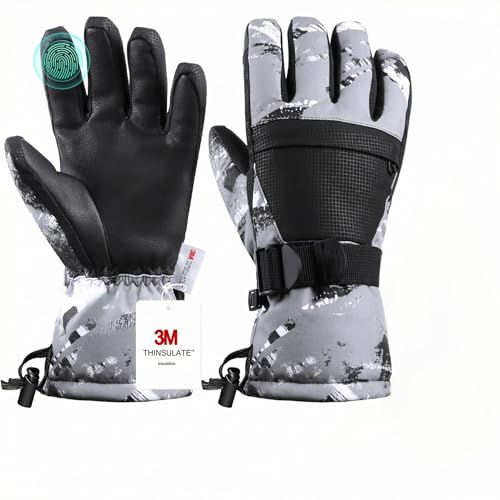
Best for waterproof warmth with broad temperature range. The gloves use a multi-layer shell and lining composition designed to resist wind and water while maintaining breathability. They are clearly labeled for cold extremes (down to -22°F to -43°F) and emphasize a careful size selection. This option suits skiers who encounter mixed conditions, from light snow to icy winds. A caution: sizing guidance is crucial for proper fit and performance.
Who it’s best for: families or individuals who ski in varied conditions and need reliable waterproof protection. Limitation: user must follow the size chart to ensure snug fit and optimal warmth delivery.
Tough Outdoors Waterproof Ski Mittens

Best for maximum warmth with shared heat. These mittens feature SummitLoft insulation designed to retain body heat while letting moisture escape, helping hands stay dry in heavy snow. The waterproof nylon shell blocks wind and moisture, and the breathable membrane promotes airflow. Mittens inherently provide more warmth than gloves, making them ideal for very cold days or longer outdoor sessions. Consider mittens if you prioritize warmth over dexterity.
Who it’s best for: snowboarders or skiers who value warmth and dryness, especially in deep cold. Limitation: mittens reduce finger independence and dexterity for technical tasks on the slopes.
Carhartt Men’s Waterproof Insulated Knit Cuff Glove

Best for durability and everyday warmth. This glove combines a waterproof insert with FastDry lining to wick sweat, plus synthetic insulation for sustained warmth. The softshell palm and fleece cuff provide comfort and a secure seal against cold air. Choose this if you need a rugged option for mixed winter activities, including driving, hiking, or light skiing. Limitation: may not be as warm as mittens in extreme cold.
Buying Guide: Key Considerations For Cold-Weather Ski Gear
- Warmth vs. Dexterity: Mittens usually provide more warmth, while gloves offer better grip and finger movement. Decide based on your activity level and need for tool handling.
- Insulation Type: Look for down-like or synthetic insulation (e.g., Thinsulate) for warmth without excessive bulk. Consider moisture management features to stay dry.
- Waterproofing: A waterproof or water-resistant outer layer helps keep hands dry during snowstorms or long ski sessions. Check for sealed seams and water-repellent coatings.
- Breathability and Moisture Control: Lined gloves with moisture-wicking materials help prevent sweat buildup. This improves comfort during high-output activities.
- Fit and Sizing: Proper fit ensures warmth and grip. Use size charts and consider adjustable cuffs or wrist straps for better seal against cold air.
- Grip and Dexterity: Look for textured palms or silicone patterns to improve grip on ski poles and equipment.
- Touchscreen Capability: If you need device use on the slopes, check for compatible fingertips or full glove touchscreen support.
- Durability and Maintenance: Consider fabric and material quality for long-term use. Some gloves are easier to wash or quick-dry after a day on the mountain.
Frequently Asked Questions
- What is the warmest glove material for skiing?
– Synthetic insulation like Thinsulate or SummitLoft tends to offer high warmth with moisture management in cold conditions. - Should I choose gloves or mittens for skiing in very cold weather?
– Mittens typically provide more overall warmth, which is advantageous in extreme cold or long stops on the slopes. - Are touchscreen gloves effective on the mountain?
– Many ski gloves feature touchscreen-compatible fingertips or design that allows basic phone use without removing gloves. - How do I determine the right glove size?
– Refer to the manufacturer’s size chart and measure hand width and length; a snug fit improves insulation and grip while preventing cold spots. - What maintenance helps gloves last longer?
– Follow care instructions for washing and drying; ensure waterproof layers remain intact and reproof as needed after several ski seasons. - Is waterproofing necessary for all ski gloves?
– Waterproof or water-resistant shells are beneficial in snowy or wet conditions to keep hands dry during extended wear.