Best Waterproof Snowboarding Backpacks for Gear Protection and All‑Day Comfort
If you’re shopping for a waterproof backpack for snowboarding, you want protection from snow, moisture, and slush without sacrificing comfort or storage. This guide highlights five reliable options that balance durability, organization, and practical features for snowboarders, hikers, and travelers. The top picks cater to different needs: day tours, longer trips, compact carry, and heavy gear transport. Read on to find which pack fits your riding style and the type of terrain you tackle.
Summary table of selected products
| Product | Best For | Capacity | |
|---|---|---|---|
| Unigear Ski Hydration Backpack, 30L | All‑day backcountry skiing | 30 L | Hydration sleeve for 3L bladder; 15” laptop compatibility; internal organization |
| STOVER 40L Waterproof Dry Backpack | Multi‑adventure waterproofing | 40 L | Roll-top closure; floating design; wet/dry front pocket |
| Piscifun Waterproof Backpack 10L–40L | Water sports and light travel | 10–40 L (varies by model) | IPX8 phone case; 500D PVC material; adjustable straps |
| RESVIN Ski Boot Bag 65L (Grey) | Heavy gear transport | 65 L | Six compartments; accommodates boots up to size 12; external ski/snowboard attachment |
| HEETA Dry Bags 40L | Casual snow trips and boating trips | 40 L | Heavy‑duty PVC; roll‑top closure; extra pockets |
Unigear Ski Hydration Backpack, 30L
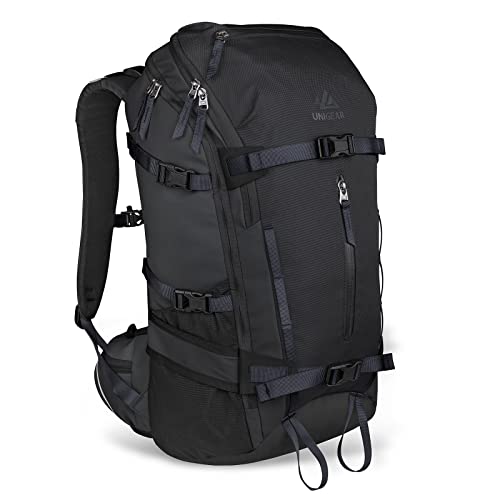
Best for: Backcountry touring and day trips where you need a dedicated hydration system and organized gear storage. This bag offers a 30L capacity with multiple compartments, including space for a 15” laptop and a 3L hydration bladder. The internal layout supports ski shovels, ice axes, gloves, clothing, and a phone in ready reach. It’s built with 900D polyester and PU‑coated panels for water resistance, plus a scratch‑resistant base. Referral features such as an adjustable sternum strap and reflective strips enhance security and visibility at night.
Why selected: The 30L size is versatile for extended mountain days while keeping gear separated and protected. The hydration compatibility is a strong plus for long runs.
Caution: The weight capacity is solid, but the hip belt may feel less padded on very long carries for some users.
STOVER 40L Waterproof Dry Backpack

Best for: Wet snow activities and mixed weather where you need a reliable dry bag that doubles as a travel companion. This 40L dry backpack uses roll‑top closure, high‑frequency seam bonding, and a floating design to keep items dry and float if dropped in water. It includes a wet/dry front pocket with adjustable cargo straps for quick access to frequently used items.
Why selected: The roll‑top closure and waterproof construction make it a straightforward, low‑maintenance option for snow, rain, and splashy environments. It also provides standing comfort on wet ground with its durable bottom layer.
Caution: The bag is optimized for gear protection rather than heavy laptop storage; keep electronics in the interior dry pocket if possible.
Piscifun Waterproof Backpack, 10L–40L
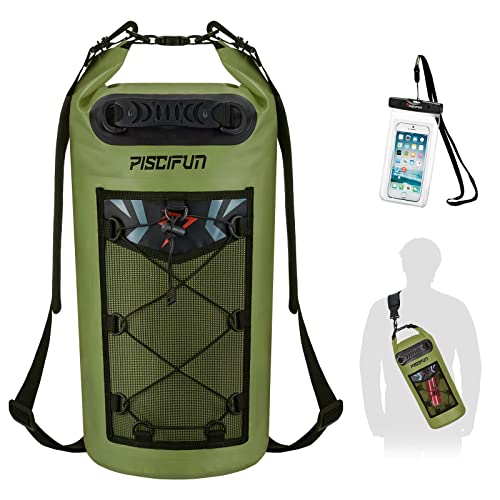
Best for: Water sports and lighter day trips where you need flexible capacity and IPX8 waterproof phone protection. The 500D PVC build offers rugged durability and a welded seal for strong water resistance. The included waterproof phone case supports screens up to 6.5 inches and is touch‑friendly, which is handy on the water or slopes.
Why selected: The combination of a dedicated water‑tight case and a durable outer shell makes this a strong pick for those who frequently combine snow activities with water sports or boating. It’s also adjustable and comfortable for adults, with breathable design options.
Caution: Some users may want a larger volume option if carrying more than 20–25 liters of gear for a full day on the mountain.
RESVIN Ski Boot Bag 65L (Grey)

Best for: Snowboarders and skiers who need to transport bulky gear, including boots, helmet, gloves, and outerwear. The 65L capacity accommodates multiple items with six compartments and external straps for skis or boards. It uses 1681D nylon and tarpaulin‑lined bottom for water resistance and low‑temperature protection.
Why selected: It excels at organizing and carrying heavier equipment in a single bag, which is beneficial for trips to the mountain or studio sports weeks. The external attachment points add versatility for carrying boards or skis.
Caution: The bag is large and heavier to manage when fully loaded; consider lighter alternatives if you don’t need that much capacity.
RESVIN Ski Boot Bag, 65L (Grey)

Best for: Similar to the grey variant, this option focuses on high storage and durable waterproofing for heavy snow sports gear. Six compartments help separate boots, helmets, gloves, and outerwear, with external webbing to secure skis or snowboard attachments.
Why selected: The 65L storage capacity remains strong for travelers with varied equipment. The waterproof materials and bottom tarpaulin help minimize water exposure to gear.
Caution: The large size may be bulky for simple carry; ensure you have the space to transport a fully loaded bag.
HEETA Dry Bags Waterproof Backpack, 40L

Best for: Snow trips that require a rugged, affordable dry bag with extra pockets for small items. The 40L capacity fits daily gear, clothing, a laptop or tablet, and essentials with a front zip pocket for keys or a phone.
Why selected: The 500D PVC construction and reinforced seams provide solid water resistance, while the roll‑top closure is simple and quick to secure. Lightweight design makes it a versatile option for a variety of winter activities.
Caution: It’s primarily a dry bag; for more structured carrying with shoulder comfort, pair with a padded harness or outer shell as needed.
Buying Guide: How to Choose The Right Waterproof Snowboarding Backpack
- Capacity and layout: Choose a size that matches your typical day on the mountain. Smaller packs (10–30L) suit quick runs and hydration while larger packs (40–65L) handle more gear and multi‑day trips.
- Hydration compatibility: If you ride long days, a built‑in hydration sleeve for a 2–3L or larger bladder can be a decisive feature.
- Waterproofing method: Seal mechanisms vary from roll‑top dry bags to water‑resistant fabrics with PU coating. Consider your climate and how often you’ll encounter wet snow or rain.
- Durability: Look for tougher fabrics (e.g., 900D–1681D nylon) and reinforced bottoms to resist abrasion from skis, boards, and rocky terrain.
- Storage organization: Separate compartments for goggles, phones, and power banks help secure gear and quick access during transitions.
- Carrying comfort: Ergonomic shoulder straps, contoured back panels, hip belts, and sternum straps improve stability and reduce fatigue on long ascents.
- Versatility: If you want a bag that works for boating or hiking, consider models that float, have roll‑top closures, or include wet/dry pockets.
FAQ
- What size backpack is best for a full day of snowboarding?
– A 20–40L backpack is typically sufficient for a day on the mountain with essentials; larger bags are better for longer backcountry trips. - Are waterproof backpacks truly waterproof?
– Many are designed to be water resistant or waterproof to a degree, but confirm the material (PVC, TPU) and closure type (roll‑top) to ensure water protection in heavy snow or rain. - Should I prefer a hydration sleeve?
– If you plan on long or cold rides, a hydration sleeve and compatible bladder reduce the need to stop for fluids, keeping you moving. - Is a dry bag alone enough for gear protection?
– Dry bags excel at keeping items dry but may lack the support and padding of a traditional backpack. Pair with a padded harness if carrying heavier gear. - What should I know about boot bags and gear compartments?
– Boot bags maximize organization for bulky items, but ensure external straps won’t snag on tight lifting or ski lifts.