Best Weights for Walking Vests to Elevate Cardio and Strength Training
Stopping short of a full gym routine, a weighted vest can intensify walking and light cardio, helping with endurance, fat loss, and muscle engagement. This guide highlights five top options that are well-suited for walking, hiking, and everyday workouts. Each vest offers a different weight range, fit, and feature set, so you can pick the best match for your goals and body type. The recommended buyers are: beginners seeking light-to-moderate resistance, intermediate exercisers targeting steady progress, and goal-focused athletes needing reliable daily wear.
Buyer snapshot: If you want comfortable, stable wear for long walks or light runs, look for even weight distribution and soft straps. If you’re training for endurance or interval work, bet on higher weight options with secure buckles and snug fits. For those prioritizing safety and visibility in low light, consider reflective stripes and accessible pockets. Below is a quick table of the five products chosen for this guide, focusing on daily walking and progressive training use.
| Product | Weight Range | Best For |
|---|---|---|
| ZELUS Weighted Vest (20 lb) | 6–30 lb options; 20 lb highlighted | Moderate to high resistance walking and gym sessions |
| ZELUS Weighted Vest (12 lb) | 6–30 lb options; 12 lb highlighted | Progressive resistance for steady strength gains |
| Zeerun Weighted Vest (20 lb, Black) | 6–30 lb options; 20 lb highlighted | Comfortable, secure fit with reflective features |
| BAGAIL Comfort-Fit Weighted Vest | Available 5–30 lb | Even weight distribution and low bounce for daily wear |
| Prodigen Weighted Vest (8 lb) | 8–30 lb range in product line | Entry to mid-level weight training and cardio mix |
ZELUS Weighted Vest 20 lb — Reflective Stripe

Best for: walkers and light runners who want substantial but balanced resistance. This vest uses durable neoprene fabric with iron sand for solid weight distribution. It includes detachable front pockets and a rear mesh pocket for essentials, reducing the risk of losing items during movement. The shoulder straps are cushioned to minimize chafing during dynamic activities.
Why selected: Even weight distribution with secure pockets supports steady workouts and safer performance. The reflective stripe enhances visibility in low-light conditions, benefiting late-evening walkers.
Caution: Heavier mass can place more strain on shoulders during long sessions; start with a lighter weight and build gradually.
ZELUS Weighted Vest 12 lb — Adjustable Fit

Best for: users progressing from light to moderate resistance who need an adjustable fit. This vest uses evenly distributed iron sand for weight, and an adjustable buckle system helps secure the vest across a wide range of chest sizes. The design emphasizes a snug, bounce-free experience for walking, squats, and incline workouts.
Why selected: It accommodates a broad chest range while maintaining a close-to-body profile, which minimizes shifting during movement.
Limitation: The data notes general care instructions; wipe-down after use to extend longevity, especially with higher weights.
Zeerun Weighted Vest 20 lb — Reflective Accent

Best for: walkers who value reflective safety features and a secure weight distribution. Zeerun’s vest uses skin-friendly neoprene and reinforced seams to reduce irritation and ensure durability during high-intensity routines. The ergonomic design includes thickened shoulder pads to ease pressure and prevent bulk on the shoulders.
Why selected: The combination of comfort and safety features makes it a reliable all-around choice for outdoor walking and light training.
Limitation: As with other heavier vests, ensure proper fit to prevent bounce during fast stepping or sprint intervals.
BAGAIL Comfort-Fit Weighted Vest — 5–30 Lbs
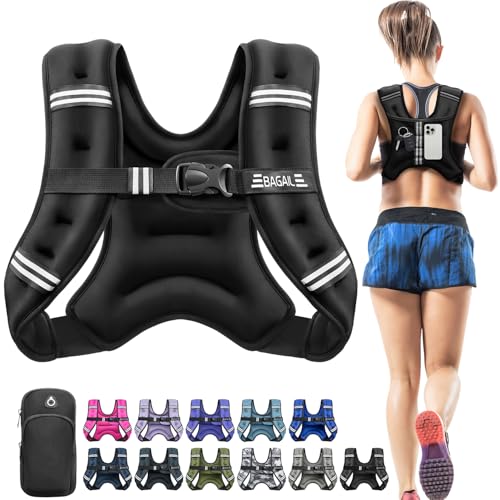
Best for: walkers seeking even weight distribution with a comfort-first design. This vest emphasizes zero-bounce stability with padded shoulder straps and a body-hugging fit. It includes reflective stripes and a detachable phone pouch with a larger back pocket for on-the-go storage, ideal for daily walks or light hikes.
Why selected: The 5–30 lb range covers beginners to intermediate users, and the design targets comfort during long wear. The detachable pocket adds practical convenience for phones and keys.
Caution: Some users may prefer a more compact profile at the lowest weights; lighter weight may feel less secure for highly dynamic movements.
Prodigen Weighted Vest 8 Lb — Reflective Stripe
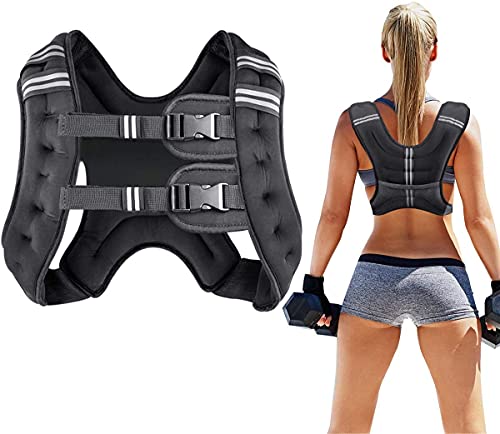
Best for: beginners and weight-loss focused routines that start with modest loads. Prodigen uses premium chloroprene rubber for comfort with iron sands for added resistance. The vest targets cardio conditioning, strength building, and endurance for walking, jogging, and stair workouts.
Why selected: Its material choice prioritizes comfort under longer wear, and the included weight support enables progressive training without bulky equipment.
Limitation: It is one of several lighter options in the catalog; users seeking higher resistance may need to upgrade to heavier models as they progress.
Buying Guide
What weight should you start with?
Begin with a weight that allows you to maintain proper form for the duration of your walk or session. For most beginners, 6–12 lb is a sensible starting point. Increase gradually as strength and endurance improve.
How important is fit and bounce?
A secure, snug fit prevents bouncing that can cause discomfort or shoulder strain. Look for adjustable buckles, padded straps, and evenly distributed weights to minimize movement during brisk walking or light runs.
What features matter for walking?
- Even weight distribution to reduce shoulder strain.
- Reflective stripes for visibility in low light.
- Pockets or pouches to keep keys, phone, and snacks secure.
- Breathable material to stay comfortable during longer sessions.
Are heavier weights worth it for walking?
Yes, but only if your form remains solid. Heavier weights increase resistance and calorie burn, but may increase joint load. Progress gradually and listen to your body.
How should you care for weighted vests?
Wipe down after use, especially with heavier weights. Follow specific care instructions for the fabric to extend longevity and prevent material wear.
In what scenarios should you avoid weighted vests?
Avoid if you have existing shoulder, back, or joint injuries without medical clearance. Also avoid very high weights for long-duration walking if you are unaccustomed to resistance training.
FAQ
- Is a weighted vest suitable for beginners? Yes, start with a light weight and gradually increase as you build strength and endurance.
- Will a weighted vest harm my posture? When properly fitted, progressive weights typically improve posture through better core engagement, but poor fit or excessive load can worsen form.
- What features improve walking safety? Reflective stripes, secure pockets, and a snug fit reduce bounce and keep items secure during movement.
- How long should I wear a weighted vest per session? Begin with 10–20 minutes and increase gradually based on comfort and goals.
- Can weighted vests aid weight loss? They can increase caloric burn by elevating effort during walking, contributing to a caloric deficit over time.
- What materials are best? Neoprene and breathable fabrics with reinforced seams balance comfort and durability for daily use.