Best Western Bits for Horses: A Clear Guide to Top-Handled Snaffles and Curbs
Whether you’re tuning in for daily schooling or preparing for arena work, choosing the right Western bit can improve communication with your horse. This guide highlights five well-regarded options suited for different training needs and horse temperaments. It helps identify which bit type is best for beginners, experienced riders, or horses showing resistance. Read on to compare design, mouthpiece, and leverage, and to decide which bit best fits your riding style and horse’s sensitivity.
| Product | Key Feature | Best For |
|---|---|---|
| Tough 1 Low Port with Antique Brown Cheeks | Low port, stainless steel | Riders needing moderate palate relief and steady cueing |
| Weaver Leather All Purpose Bit, 5.5 | 5-1/2″ medium port, copper mouth | Intermediate riders seeking all-around versatility |
| Tough 1 Kelly Silver Star 3 Piece Dogbone Roller Snaffle | Dogbone roller design, 3-piece | Riders pursuing light tongue pressure with added focus |
| Aime Imports Westen SS Dogbone Copper Roller O-Ring Bit | Sweet iron mouth, center roller | Horse needing increased salivation and responsiveness |
| Weaver Leather Tom Thumb Snaffle Bit | Copper plated mouth, round ring snaffle | Beginner riders or horses needing gentle guidance |
Tough 1 Low Port with Antique Brown Cheeks

The Tough 1 Low Port with Antique Brown Cheeks uses a low mouthpiece and stainless steel construction. Best for riders who want moderate palate relief with clear bit action. The low port reduces tongue pressure while maintaining effective curb contact. Suitable for horses that respond to gentle, consistent cues during flatwork or light jumping training.
Best for riders who prefer straightforward leverage and a familiar feel. Choose this if the horse is gaining flexibility but still needs steady guiding pressure. A caution: some horses may prefer higher ports as training progresses, so monitor mouth acceptance and tongue relaxation during sessions.
Weaver Leather All Purpose Bit, 5.5

The Weaver Leather All Purpose Bit features a stainless steel curb with a 5-1/2″ medium port copper mouth and 6″ cheek pieces. This setup supports balanced rein tension and conveys a mix of tongue and curb pressure suitable for all-around riding. It’s a solid pick for riders who want versatility across arenas and trail riding.
Best for riders seeking a reliable, middle-ground bit with a copper mouth that encourages salivation and smoother acceptance. Better for horses that respond to a combination of direct and curb pressure, but avoid this if the horse is highly sensitive to mouth contact or if you’re seeking extremely light cues during initial training.
Tough 1 Kelly Silver Star 3 Piece Dogbone Roller Snaffle

The Tough 1 Kelly Silver Star 3 Piece Dogbone Roller Snaffle combines a three-piece design with a central roller for tongue relief and stimulation that helps keep a horse engaged. The dogbone shape provides independent tongue and bar pressure, which can enhance responsiveness during training and regular rides.
Best for horses that benefit from alternating light pressure and a rolling center to reduce boredom. It’s a good pick for riders who want a bit that stays responsive without being overly harsh. Limitation: some horses may require a period of adjustment to the rolling mechanism to avoid overreaction to the center movement.
Aime Imports Westen SS Dogbone Copper Roller O-Ring Bit

The Aime Imports Westen SS Dogbone Copper Roller O-Ring Bit uses a sweet iron mouth that naturally oxidizes to encourage salivation and softness. The center roller on the dogbone design provides independent tongue and bar pressure, reducing boredom while maintaining cue clarity. The stainless steel rings offer durability for daily riding and training.
Best for riders wanting enhanced bite acceptance and a responsive feel during long workouts. Choose this if the horse benefits from a slightly increased salivation response. Limitation: stainless steel rings can feel stiffer to some horses compared with smoother, softer mouthpieces during initial rides.
Weaver Leather Tom Thumb Snaffle Bit, 5
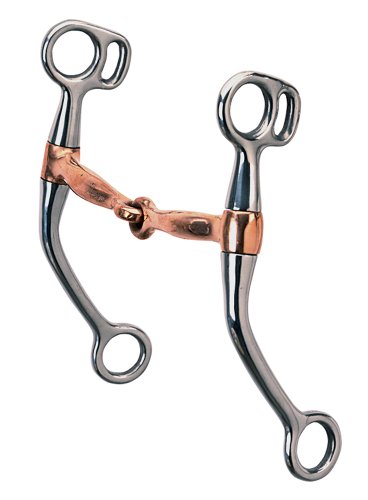
The Weaver Leather Tom Thumb Snaffle Bit is chrome plated with a copper-plated mouth and 6-1/2″ cheeks. This classic Tom Thumb design offers straightforward snaffle action with a short purchase. It is well-suited for riders seeking light, direct cues in flatwork and beginning training sessions.
Best for new riders or horses needing simple, intuitive feedback. It’s a safe, familiar option for establishing basic communication. Caution: shorter shanks provide less leverage, which may require more precise rein management from the rider to achieve desired cues.
Aime Imports Western AL Engraved Correction Long Shank Bit
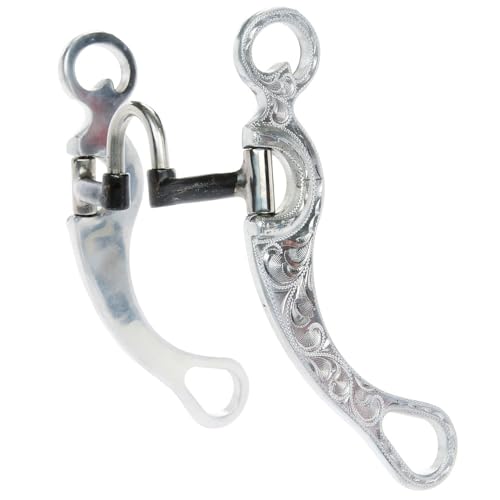
The Aime Imports Western AL Engraved Correction Long Shank Bit features an engraved aluminum correction port and a long shank with a silver scroll engraving. This design aims to distribute pressure more evenly and offer a stronger cue for more experienced riders. The presence of an engraved aesthetic suggests a more formal training setup.
Best for riders who require stronger leverage for precise steering and control on difficult horses. Use with caution on sensitive horses or during early training phases. Limitation: long shanks can be less forgiving, increasing the risk of over-cueing if not used with a light hand.
Reinsman 776 All Around Curb Bit
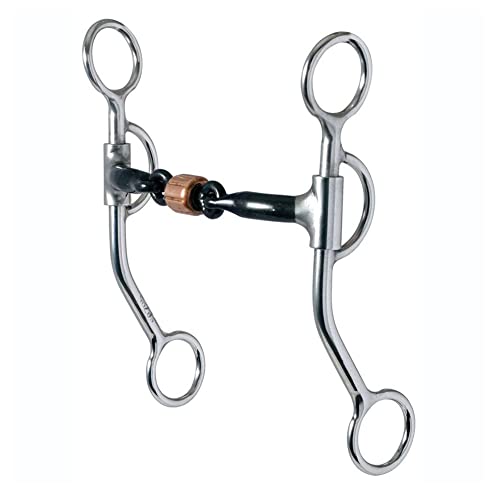
The Reinsman 776 All Around Curb Bit uses a three-piece sweet iron front with a copper roller, providing combined tongue pressure and saliva-stimulating copper contact. The design aims for a balanced feel with a pocket-friendly purchase and a lighter general weight, suitable for many riding styles.
Best for riders seeking a versatile curb bit with a gentle tongue roller and copper perks for salivation. Choose this if the horse benefits from smooth, consistent mouth contact during schooling. Limitation: some horses may require time to adapt to the combined pressure points of three pieces and copper-roller action.
Buying Guide: Key Considerations For Western Bits
- Horse comfort and mouthpiece material: Copper and sweet iron tend to promote salivation and smoother acceptance, but some riders prefer stainless steel or chrome for durability and feel.
- Port size and shank length: A higher port provides more tongue relief but more palate pressure; longer shanks offer more leverage but can be less forgiving for beginners.
- Training level and temperament: Beginners often benefit from snaffle or ring snaffle designs, while more advanced riders may opt for three-piece bits with rollers for tongue and bar relief.
- Rider experience and control: Consider your rein strength and ability to apply cues evenly to avoid over-cueing more sensitive horses.
- Maintenance and durability: Stainless steel and copper components resist wear; stainless rings last longer in daily use, while copper mouthpieces require occasional cleaning to maintain taste and texture.
Frequently Asked Questions
- What is the main difference between snaffle and curb bits? Answer: Snaffle bits apply direct pressure to the mouth without leverage, while curb bits use a shank to create leverage and apply pressure to the mouth and poll.
- Which bit is best for a beginner rider? Answer: A simple snaffle or ring snaffle is typically recommended for beginners due to straightforward action and lighter cues.
- Why choose a copper roller bit? Answer: Copper rollers can encourage salivation and smoother mouth movement, helping the horse stay relaxed and focused on cues.
- How does mouthpiece type affect horse comfort? Answer: Mouthpieces like sweet iron or copper oxidize to create a taste that promotes relaxation and acceptance; stainless steel is durable but may feel firmer initially.
- What should I consider when selecting shank length? Answer: Short shanks are lighter and better for beginners; long shanks provide more leverage for stronger cues but require refined rein control.
- Is it okay to mix different bits during training? Answer: It can be beneficial to switch bits to vary pressure distribution during phases of training, but do so gradually and observe your horse’s response.