Best Wet Suit for Toddler: Safe, Warm, and Easy to Use for Water Fun
Yes, a toddler wetsuit is a practical, safety-focused choice for any parent introducing young children to water. This guide highlights five top-performing toddler wetsuits, explaining who they’re best for, what makes them stand out, and any practical trade-offs. The featured options vary from full-body suits for all-day warmth to shorty designs that balance mobility and protection. Ideal buyers include parents planning beach trips, pool days, or beginner swim lessons where warmth, buoyancy, and sun protection matter most.
Summary Table
| Product | Brand | Best For | |
|---|---|---|---|
| Hevto Wetsuits Kids 3/2mm Full | Hevto | Active swimming and snorkeling | Back zipper for flexibility; 3/2mm neoprene for warmth |
| Seaskin Kids Wetsuit Shorty 2mm | Seaskin | Warm-weather sessions; added protection | 2mm neoprene; UV protection; buoyancy |
| JSNORKLET Baby Wetsuit | JSNORKLET | Infant pool time and sun protection | Full-body protection; 2mm neoprene |
| Hevto Kids Wetsuit for Girls 3/2mm | Hevto | Girls’ water activities; warmth and buoyancy | Back zipper; snug fit; 3/2mm neoprene |
| Hevto Shorty for Boys/Girls 2mm | Hevto | Cold-water sessions with mobility | Front zip; 2mm neoprene; lightweight |
Hevto Wetsuits Kids 3/2mm Full Wet Suit

Best for active swimming and water sports, this 3/2mm neoprene full suit provides warmth and buoyancy for kids during swimming, snorkeling, and diving. The back zipper design enhances ease of wear and unrestricted movement, making it a strong fit for both beginners and more confident young swimmers. The suit also offers wind and sun protection, reducing skin exposure during outdoor activities. A key consideration is fit; ensure the size accommodates growth and freedom of motion.
Seaskin Kids Wetsuit Shorty 2mm
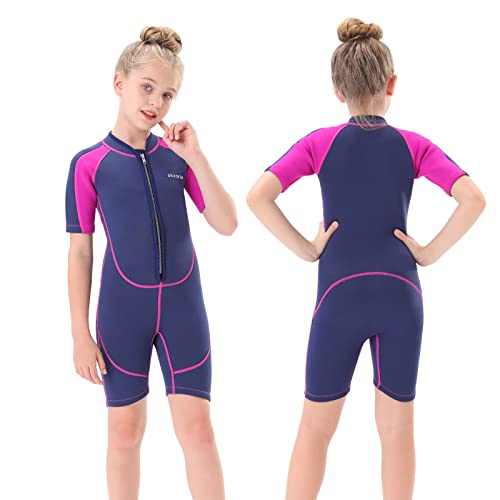
Best for warmer water days and light coverage, this 2mm shorty is ideal for kids who want flexibility while staying warm. The nylon-neoprene blend helps trap heat and offers UV protection, which is useful for sun-intense days. It also provides buoyancy to aid in learning to swim. The shorty design may be less protective in very cold water compared to full suits, so choose based on water temperature and activity level.
Baby Wetsuit, Neoprene Warm Swimsuit

Best for infants needing full-body warmth and sun protection, this 2mm neoprene wetsuit covers the torso and limbs, extending pool time for babies sensitive to cold. The design focuses on comfort and easy wear, making it a solid pick for younger toddlers still adjusting to water activities. Note that for very warm climates, lighter options may be preferred to avoid overheating.
Hevto Kids Wetsuit for Girls 3/2mm

Best for girls’ water activities, this 3/2mm wetsuit combines warmth, buoyancy, and mobility. The snug fit supports full range of motion for swimming, snorkeling, and lightweight surfing or paddleboarding. A back zipper design aids easy on-off, but ensure correct sizing for a comfortable, non-restrictive fit. Consider if your child frequently participates in extended sessions in cooler water to maximize warmth retention.
Hevto Shorty 2mm Wetsuit for Kids

Best for mobility-focused sessions in milder waters, this 2mm shorty with a front zip is easy to put on and take off. It provides buoyancy and warmth without the bulk of a full suit. Use this option when kids need maximum freedom for play and learning, keeping an eye on water temperature to avoid chill in cooler days.
Buying Guide: Key Considerations
- Water temperature and climate: Full suits (3/2mm or thicker) are better for cooler water; shorties are suitable for warmer days.
- Fit and growth: Choose a size with a little room for growth, but not so loose it lets water rush in. Look for back zipper or front zip depending on ease of wearing and mobility.
- Activity type: For swimming and snorkeling, a flexible, snug-fit suit helps with buoyancy and natural movement. For surfing or paddling, consider a longer sleeve option for protection against sun and abrasions.
- Protection: Many suits offer UV shielding and abrasion protection. If the child has sensitive skin, opt for thicker neoprene or full coverage.
- Care and durability: Rinse after use, avoid harsh soaps, and air-dry away from direct heat to extend the suit’s life.
Frequently Asked Questions
- What should I consider when sizing a toddler wetsuit? – Look for a snug fit that allows full range of motion without restricting movement or water seeping in; consider growth room for several months of wear.
- Are wetsuits safe for infants and toddlers? – Yes, wetsuits provide warmth, buoyancy assistance, and protection from sun and minor abrasions when used properly.
- What’s the difference between a full wetsuit and a shorty? – A full wetsuit covers arms and legs for warmth, while a shorty offers more mobility and ventilation with less insulation.
- Can wetsuits be used for multiple activities? – Yes, many toddlers use wetsuits for swimming, snorkeling, surfing, and paddleboarding, depending on the suit’s thickness and design.
- How do I care for a toddler wetsuit? – Rinse with fresh water, avoid chlorine damage, and air-dry flat away from direct sunlight to preserve elasticity.
- When should a parent upgrade to a thicker wetsuit? – Move to thicker neoprene if water temperatures regularly dip below comfortable levels or if your child spends long sessions in the water.