Best Workout Plates for Plate Carriers: Durable Options for Strength and Conditioning
If you’re building a plate carrier workout routine, these weighted vest plates deliver reliable load during runs, burpees, ruck marching, and high-intensity circuits. This guide highlights five plates that fit most standard vests and plate carriers, explaining who each is best for and why. It’s ideal for athletes, military-style trainees, and cross-training enthusiasts seeking progressive overload without sacrificing comfort.
The following table offers a quick snapshot of the featured products, including approximate weight options and who they’re best suited for.
| Product | Common Weights Available | Best For |
|---|---|---|
| VEVOR Weight Vest Plates, 8.75 LB Pairs | 8.75 lb per plate (pair) | Steady progression in mid-weight training for veterans and mixed-ability workouts. |
| EVERYMATE Curved Weighted Vest Plates – 3.75 LB Pairs | 3.75 lb per plate (pair) | beginners to intermediate exercisers needing comfortable low-load options. |
| WOLF TACTICAL Weight Vest Plates – 5.75/8.75/14.5/19.75 LB | Multiple weights per pair | progressive overload across diverse workouts and both genders. |
| EVERYMATE Tactical Weighted Vest Plates – 3.75/5.75/8.75/14.5/19.75 LB | Multiple weights per pair | versatile training paths from beginner to advanced cycles. |
| LEKÄRO Weighted Vest Plates – 5.51/8.81/15.43/20.94 LB | Multiple weights per pair | lasting durability and consistent fit for dynamic movements. |
VEVOR Weight Vest Plates 8.75 Lb Pairs

These two 8.75 lb steel plates are designed to slide securely into a compatible weighted vest. The heavy-duty steel construction with rounded edges reduces snag during dynamic movements, making them a solid mid-weight option for ongoing progression. The plates are clearly labeled and packaged to minimize scuffing in transit. Best for athletes who already own a vest and want a reliable, mid-range load for WODs and tempo runs.
Who it’s best for: experienced trainees expanding from light loads but not yet ready for higher weights. Why selected: strong steel build and compatible sizing work well for standard plate pockets. Caution: these plates are not body armor and should be used strictly as training equipment.
EVERYMATE Curved Weighted Vest Plates – 3.75 LB

This curved design follows the body’s contours for comfort and stability during intense rounds of push-ups, burpees, and sprint intervals. The 3.75 lb plates are an excellent entry point for new users or those who want to mix heavier sets with lighter micro-loads. They’re designed to fit most standard weighted vests, helping you scale intensity without changing gear. Best for novices and mixed-ability groups seeking a comfortable, low-load option.
Who it’s best for: beginners or those who prefer a less aggressive starting weight. Why selected: curved profile reduces pressure points; universal fit supports quick swaps. Caution: not the best choice for long runs with heavier loads if you’re sensitive to edge comfort.
WOLF TACTICAL Weight Vest Plates
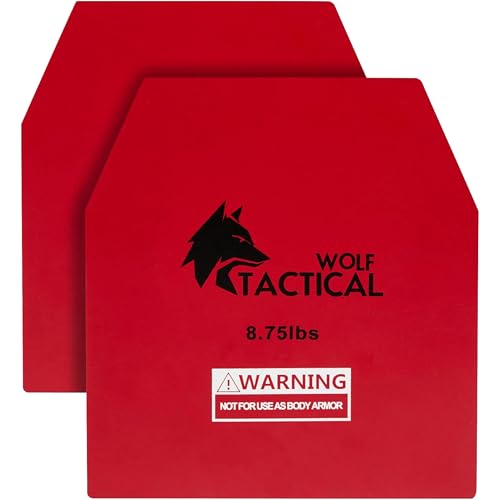
WOLF TACTICAL offers a set of plates in several weights, designed for cross-training, running, and general conditioning. The steel plates are powder-coated to resist rust and corrosion, with smooth, rounded edges to minimize discomfort during movement. This selection is ideal for athletes who want to gradually increase resistance across workouts and across different vest sizes. Best for: trainees who value long-term durability and a range of weight options. Caution: verify vest pocket compatibility and avoid using in non-standard carrier systems.
EVERYMATE Tactical Weighted Vest Plates – 3.75/5.75/8.75/14.5/19.75 LB

This five-weight option from EVERYMATE provides broad progression for functional training, running, rucking, and burpee-heavy workouts. The standard 10×12 inch size is compatible with many vests, and the coating helps resist moisture and rust. Designed for both beginners and advanced trainees, it enables quick adjustments between sessions. Best for: diverse workouts with frequent weight changes. Caution: verify your vest’s pocket height and closure to ensure the plates stay securely in place during high-speed movements.
LEKÄRO Weighted Vest Plates – 5.51/8.81/15.43/20.94 LB

LEKÄRO plates come in four weight steps, offering progressive overload while maintaining a stable, flush fit against the torso. The 9.8×11 inch profile is designed to work with most standard plate carriers, minimizing shifting during dynamic movements like running and burpees. Best for: athletes seeking a consistent, ergonomic profile with a broad weight range. Caution: measure your vest pocket size before purchase to confirm fit.
Buying Guide: How To Choose The Right Plate For Your Carrier
- Weight Range and Progression: Start with lighter options (3.75–5.75 lb) if you’re new to plate carries. Move up to 8.75–20.94 lb as strength improves.
- Profile And Fit: Flat or curved designs influence comfort and movement. Curved plates often conform to chest and back curves for stability during dynamic reps.
- Compatibility: Confirm pocket dimensions (length and width) and whether the plates fit your vest’s standard 9.8×11 inch pockets or other formats.
- Durability: Look for powder-coated steel or rust-resistant alloys to withstand sweat and outdoor training.
- Edge Comfort: Plates with rounded edges reduce abrasive pressure and improve comfort during transitions between movements.
- Quality Of Movement: Heavier plates can restrict range of motion if they don’t sit flush. Choose options that stay stable during runs, burpees, and push-ups.
- Maintenance: Dry and store plates after workouts to prevent corrosion and scratches on vest pockets.
FAQ
- What weight should I start with for plate carrier training? Start with 3.75–5.75 lb per plate if you’re new to weighted vests, then progress gradually as your endurance and form improve.
- Are curved plates better than flat plates? Curved plates can provide a more ergonomic fit, reducing pressure points during movement, but flat plates often fit more vests. Choose based on your vest design and comfort preference.
- Can I use these plates for running and rucking? Yes, most options are designed for running, rucking, and multi-movement workouts, but verify vest pocket fit and plate size to prevent shifting.
- How do I know if a plate will fit my vest? Check pocket dimensions and the plate size (commonly around 9.8×11 inches). If uncertain, measure your vest pocket before purchasing.
- Do these plates include the vest? Most listings indicate that the vest is sold separately; confirm compatibility with your current carrier.
- What safety considerations should I follow with weighted vests? Start with comfortable loads, maintain proper form, and avoid overloading joints, especially wrists and shoulders, during high-intensity sessions.