Best Wrist Hooks for Weightlifting: Top Picks for Stronger Lifts and Better Grip
When grip fatigue slows your gains, the right wrist hooks can keep you focused on target muscles like the back, lats, and shoulders. This guide highlights five proven options for weightlifters, from powerlifters to cross-training athletes. It’s ideal for anyone seeking to lift heavier, pull more reps, and reduce forearm strain. Below you’ll find quick picks, why they’re best for certain lifters, and practical considerations to help you choose.
Buyer snapshot table (at-a-glance):
| Product | Brand | Best For | Notable Benefit |
|---|---|---|---|
| Gymreapers Weight Lifting Hooks (Navy) | Gymreapers | Deadlifts and shrugs enthusiasts | 250 lb per hook, strong grip support |
| Gymreapers Weight Lifting Hooks (Black) | Gymreapers | Pull-ups and rows lifters | Double-entry color option, durable construction |
| DMoose Fitness Weight Lifting Hooks | DMoose Fitness | Heavy lifts with sweating sessions | 8mm thick wrist padding |
| RDX Weight Lifting Hooks | RDX | Grip-intensive training | 6.5 cm wide hook surface |
| POZTEV Weight Lifting Hooks (Pair) | POZTEV | Wide range of lifts | Premium non-slip design |
Gymreapers Weight Lifting Hooks Navy
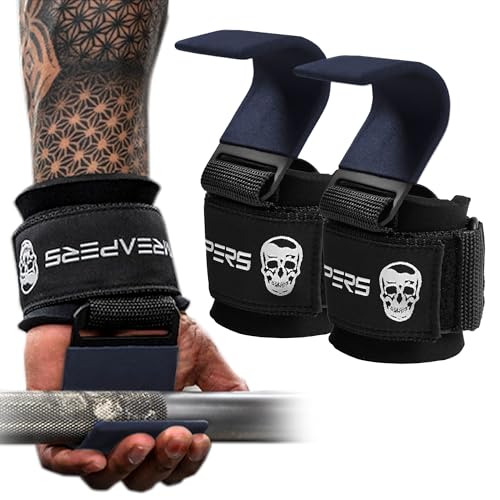
Best for heavy pulling movements where grip fatigue is the bottleneck, these hooks are rated up to 250 lbs per hook. They help you maintain a strong connection to the bar during deadlifts, shrugs, and rows, allowing the targeted back and shoulder muscles to work harder. They are ideal for lifters who want to push heavier loads without compromising grip.
Who it’s best for: lifters focused on back development and long pulling sessions. Why selected: they combine solid construction with a high weight rating, supporting consistent training sessions. Caution: if you prefer lighter, more flexible wraps for high-rep sets, these may feel stiffer than some options.
Gymreapers Weight Lifting Hooks Black
Another Gymreapers option, the black variant emphasizes a slightly different aesthetic while delivering the same 250 lb per hook capacity. Best for lifters who mix pulling movements with bar work and want consistent grip support across workouts. It helps reduce grip fatigue during pull-ups, rows, and deadlifts.
Who it’s best for: athletes seeking consistent performance across multiple pulling exercises. Why selected: the same reliable core design with a distinct color option to match gear. Caution: color alone should not be the sole differentiator; confirm your preferred fit and wrist padding before buying.
DMoose Fitness Weight Lifting Hooks

These hooks emphasize anti-slip performance and protective padding. The 8mm thick wrist padding reduces forearm strain, supporting longer sessions with heavy lifts such as deadlifts and pull-ups. Their non-slip coated grip helps keep hands locked to the bar even during sweaty training.
Who it’s best for: lifters who frequently battle slippery bars and want added wrist cushioning. Why selected: the padding and coating work together to minimize fatigue. Caution: some athletes may prefer a lighter feel for high-rep sets; the padding adds bulk that may affect comfort for smaller wrists.
powerfeng Lifting Hooks

These hooks emphasise a sturdy strap system with an ultra-thick rubber lining and a solid steel hook. They are designed to support heavy loads and are particularly suited for grip-strength supplements during tension exercises. The design aims to improve efficiency and stability across various lifts.
Who it’s best for: lifters seeking a robust, stable hook with comfortable grip. Why selected: strong construction supports high-intensity sessions. Caution: ensure the fit accommodates your wrist size due to the strap’s significant thickness.
Buying Guide: How To Choose The Right Wrist Hooks For Weightlifting
What should you consider before buying wrist hooks? Here are practical considerations to guide your choice.
- Weight capacity: Look for per-hook ratings that align with your target lifts. Higher ratings accommodate heavier deadlifts and shrugs without grip failure.
- Padding and comfort: Thick padding reduces forearm fatigue but may affect fit for narrow wrists. Choose a model with a strap that feels secure and comfortable during long sessions.
- Hook design: Wider hooks provide more contact area for stability, while narrower hooks may suit smaller bars or grips. Decide which is more compatible with your training routine.
- Material and durability: Steel hooks and reinforced straps typically last longer in frequent, heavy-use scenarios. Check stitching and overall build quality.
- Breathability and moisture management: For sweaty workouts, non-slip coatings and breathable straps help maintain grip and comfort.
FAQ
- Do lifting hooks help with all lifts? They’re most beneficial for deadlifts, shrugs, pull-ups, and rows where grip fatigue is common, but may be less essential for pure barbell pressing.
- Can wearing hooks improve grip strength over time? Hooks offload grip load during sets. Regular use can reduce grip fatigue while you train target muscles, but dedicated grip-strength work remains important for long-term gains.
- Are there downsides to using lifting hooks? Some lifters find hooks restrict bar feel or cause irritation if sleeves or straps sit poorly. Ensure a proper fit to avoid discomfort.
- How should hooks be cared for? Wipe clean, avoid chlorine exposure, and inspect stitching regularly. Replace worn parts promptly to maintain safety.
- Are hooks suitable for beginners? They can help beginners focus on form when grip fatigue is a barrier, but beginners should still develop baseline grip strength as they progress.
- Is there a risk of dependence? Relying solely on hooks can limit natural grip development. Use them strategically during heavy sets or when grip fatigue is a bottleneck.