Best Yoga Wheel for Back Pain Relief and Deep Stretching
Looking for an effective way to relieve back pain and improve flexibility? A yoga wheel can target tight back muscles, support spinal decompression, and guide safer stretches. This guide highlights five top options, suitable for different needs—from beginners seeking gentle support to athletes pursuing deeper backbends. Best for: beginners who want gradual relief; intermediate users aiming for deeper poses; and those needing durable wheels for frequent practice. The quick comparison below helps you decide which wheel fits your routine and comfort level.
| Product | Main Benefit | Best For |
|---|---|---|
| Zomyove 3 Pack Back Roller | Targeted back relief with spinal canal feature; up to 500 lbs | Back pain relief and deep tissue massage |
| 5 Pack Back Roller | Varied sizes for adjustable pressure; added foot massage function | Versatile full-body relief and therapy |
| Yoga Wheel Set of 3+1 (FARINOK) | Four sizes for progressive pressure; high-density padding | Advanced backbends and flexible progression |
| GymCope Back Wheel | Contoured groove and dense foam for guided stretches | Controlled, safe back and neck stretching |
| HAPBEAR Back Roller | Spine-aligned wheel with 12″ roller and 26″ ball for full-body work | Posture correction and spinal decompression |
Zomyove 3 Pack Back Roller

Features: High-density foam roller with trigger points to disrupt tight muscle fibers without pressing on the spine. Durable, skid-resistant padding, EVA mat, and a PVC-free PP core rated for up to 500 lbs. Includes a spinal canal feature to massage along both sides of the spine. Best for: back pain relief and deep tissue massage in home therapy or rehab settings. Limitation: some users may prefer a larger surface area for broad back coverage.
5 Pack Back Roller
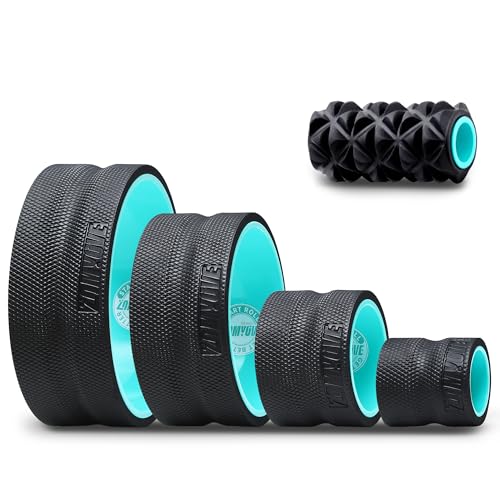
Features: High-density back roller with trigger points, durable padding, and a new foot massager module targeting plantar fascia and foot soreness. Best for: users who want multiple wheel sizes and a built-in foot massage to complement back work. Limitation: foot massager function adds weight and may be less ideal for compact storage.
Yoga Wheel Set Of 3+1 (FARINOK)

Features: Four wheel sizes (13″ large, 10″ medium, and smaller 6″ options) with 10MM thick premium padding made from eco-friendly TPE. ABS core supports up to 500 lbs. Widened padding aids balance and deeper stretches. Best for: progressive backbends, neck and spine flexibility, and multi-person family use. Limitation: more pieces require storage space and setup time.
Yoga Wheel Set Of 2 (FARINOK Cork)
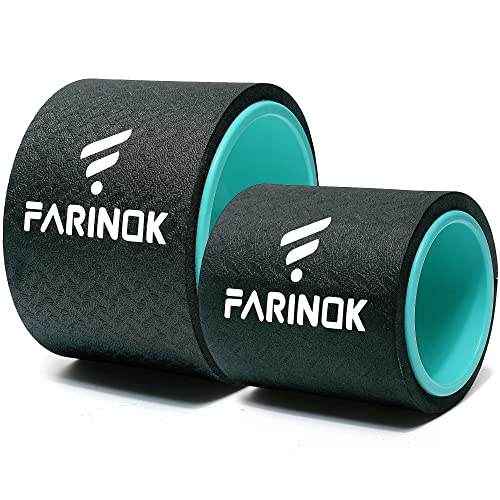
Features: Two sizes with 6″ and 4″ wheels, 10MM padding using cork TPE, ABS core supports up to 500 lbs. Extra-wide padding enhances balance for challenging stretches. Best for: users needing deeper tissue work and neck/back massages, with higher grip in sweaty conditions. Limitation: cork surface may require more care to keep clean.
NGT 13 Inch Yoga Wheel
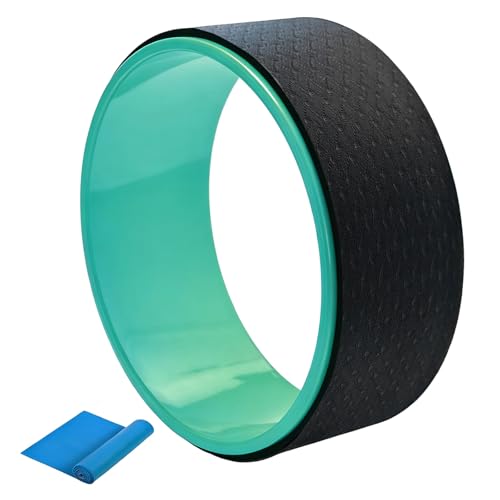
Features: A 13-inch wheel designed as a strong back opener and stretcher, capable of handling up to 500 lbs. Emphasizes safety and support for new sequences and poses. Best for: users seeking a sturdy, reliable wheel to progress with challenging backbends. Limitation: larger wheel size may be less comfortable for very short torsos or limited upper-body mobility.
HAPBEAR Back Roller Set

Features: 12″ back roller with 26″ exercise ball; spine alignment tool and full-body workout support. PP inner core supports up to 440 lbs; EVA exterior cushions joints. Best for: posture correction, spinal decompression, and combined ball-and-wheel routines. Limitation: the 26″ ball adds extra storage space and may be bulky for small setups.
Buying Guide: How to Choose the Right Yoga Wheel For Back Pain
What size should you pick? For beginners, a larger wheel (13″) provides more support and a gentler opening; smaller wheels (6″-10″) offer deeper tissue focus. How hard should the padding be? Thicker padding (10MM) cushions joints and reduces discomfort, while firmer surfaces promote more intense muscle release. Do you need multiple wheels? Sets with different sizes let you adjust pressure and tailor stretches to your body region. Is a built-in foot or spine feature valuable? Accessories like a foot massager or spinal canal alignment can enhance therapy, but add complexity and price. Can the wheel support your weight? Look for wheels rated to handle at least 400–500 lbs for stability. How easy is cleaning? Materials like TPE and cork differ in maintenance; choose a surface that resists sweat and is easy to wipe down.
Usage considerations
- Warm up with gentle mobility moves before rolling to reduce injury risk.
- Focus on controlled, slow rolls rather than fast momentum to protect the spine.
- Pair with a balanced routine including stretches for hips, chest, and shoulders.
Maintenance and safety tips
- Regularly wipe surfaces after use; dry completely to prevent mold.
- Inspect padding and core for wear; replace if integrity is compromised.
- Avoid rolling directly on the lower back if you have a known spine condition without professional guidance.
FAQ
- Q: Can a yoga wheel help with chronic back pain? A: Yes, with consistent, guided use, a wheel can ease stiffness and support muscle balance, though results vary by individual.
- Q: Is a bigger wheel better for beginners? A: Typically yes; a larger wheel provides more support and gentler opening in early practice.
- Q: What should I look for in padding? A: Thicker, high-density padding (10MM) tends to be more comfortable for back work and reduces joint pressure.
- Q: How many wheels do I need? A: A single wheel can be enough, but sets with multiple sizes offer progressive challenges and more versatile therapy.
- Q: Are these suitable for recovery after workouts? A: Yes, many users employ back wheels for post-exercise mobility and muscle recovery, focusing on areas between shoulder blades and lower back.
- Q: Can I use these on carpet or tile? A: Wheels work on most flat surfaces; consider a non-slip mat for stability on slick floors.