Best Bicycle Helmets for Toddlers: Safe, Comfortable Picks for Young Riders
Answering the question most parents have when buying a first helmet: what fits a toddler best, stays comfortable, and grows with them? This guide highlights five reliable options designed for toddlers and younger children, focusing on adjustable fit, impact protection, and ventilation. The selections cover a range of head sizes and activities—from riding around the neighborhood to skate-style play—so you can choose the best helmet for your child’s age and head circumference. The table below summarizes the five top picks, including size ranges and key features to compare at a glance.
| Product | Age / Size Range | Key Features |
|---|---|---|
| OUWOER Kids Bike Helmet (Pink) | Small to Large (48–61 cm) | ABS shell, high-quality EPS foam, 11 vents, CPSC 5+ standard |
| OUWOER Kids Bike Helmet (Blue) | Small to Large (48–61 cm) | ABS shell, shock-absorbing foam, 11 vents, CPSC 5+ standard |
| Bimalsic Toddler Bike Helmet (Dinosaur) | XS–S (45–54 cm approx.) | Durable polycarbonate shell, dual safety standard, 12 vents |
| Bell Spiderman Spidey Eyes Toddler Helmet | 3–5 years | High-visibility reflectors, age-appropriate fit sizes |
| Retrospec Scout Kids Helmet | 2–5+ years (two sizes) | 14 vents, adjustable dial fit, sun visor, washable interior |
OUWOER Pink Adjustable Toddler Helmet
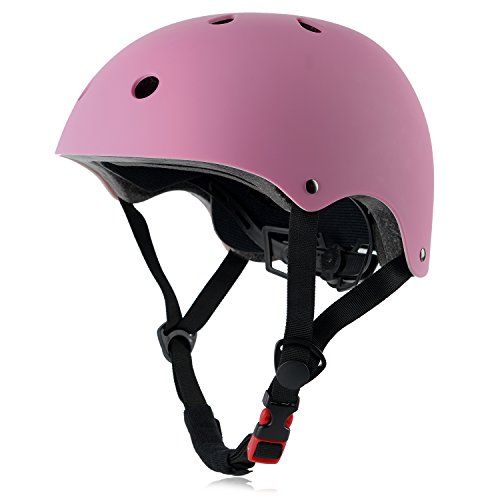
Best for: younger toddlers or first-time helmet users who need a lightweight, adjustable option. The pink model comes in three sizes aligning with kids from 2 to 14+ years, ensuring room to grow. The ABS outer shell and quality EPS foam provide essential impact protection, while 11 vents help keep little heads cool on outdoorsy adventures.
Why selected: This helmet is designed to cover a wide age range with an adjustable fit system, which minimizes the need for frequent replacements as children grow. The compliance with the U.S. CPSC safety standard adds an important baseline of protection for everyday riding, scooters, and light skating activities.
Caution: Ensure the correct size is chosen for your child’s head measurement to avoid slippage during activity.
OUWOER Blue Adjustable Toddler Helmet
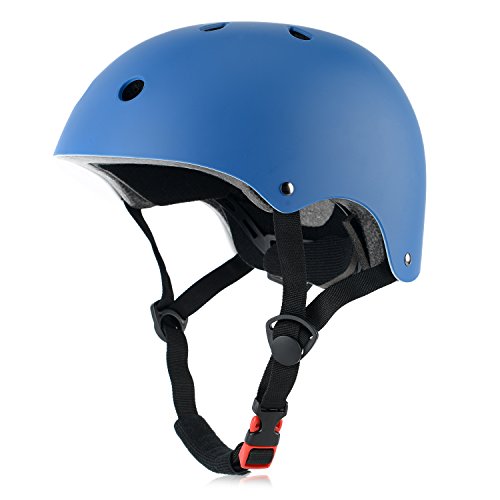
Best for: families seeking a visually similar option in blue that matches twins or siblings with coordinated gear. This model mirrors the pink version’s sizing and safety features, offering the same three sizes, ABS shell, EPS foam, and 11 vents for airflow.
Why selected: Consistency across color choices helps with wardrobe coordination and replacement planning. The protection profile remains suitable for toddlers just learning to pedal or scooter around the neighborhood.
Caution: As with any helmet, verify a proper snug fit using the adjustable dial and chin strap before every ride.
Bimalsic Dinosaur Toddler Helmet

Best for: toddlers aged roughly 2–6 who need a dual liner and enhanced airflow. The helmet combines a lightweight polycarbonate shell with an EPS foam core and 12 vents to keep temperatures comfortable during hot days.
Why selected: The extended head coverage and dual-safety certification offer a robust protection profile for multiple activities—cycling, skating, and scooting—while the bright dinosaur design tends to appeal to many young riders.
Caution: Check the interior padding for any signs of wear and clean regularly to maintain comfort and hygiene.
Bell Spiderman Spidey Eyes Toddler Helmet
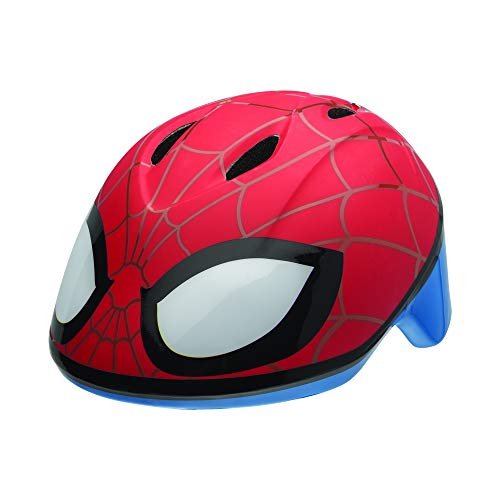
Best for: children aged 3–5 who respond well to character-themed gear. The Spidey Eyes design provides high visibility and a familiar character motif that can encourage helmet use during outdoor play and bike rides.
Why selected: The helmet emphasizes size-appropriate fit for small heads and highlights active safety features like bright reflectors for added visibility during low-light outings.
Caution: Ensure the helmet fits snugly to prevent movement during movement-intensive activities like bike riding and roller skating.
Retrospec Scout Kids Helmet

Best for: growing readers who want a multi-sport helmet with sun protection features and a customizable fit. The Scout offers two sizes and a built-in sun visor for all-day wear on longer rides.
Why selected: Its 14-vent design supports airflow to prevent overheating, and the adjustable dial system ensures a secure, comfortable fit as your child’s head grows. The washable interior aids in maintaining freshness between cleanings.
Caution: Check the visor for any looseness after rough play or falls, and re-tighten the dial as needed to maintain a snug fit.
Buying Guide: Key Considerations For Toddler Helmet Purchases
- Size and fit: Measure the child’s head circumference and use adjustable systems (dial fit or multi-size shells) to ensure a secure, comfortable fit.
- Certification: Look for a CPSC safety standard badge and, if possible, additional safety certifications for enhanced protection.
- Ventilation: Adequate vents prevent overheating on warm days and encourage consistent helmet use.
- Weight: Lighter helmets reduce neck fatigue and increase wearability for toddlers who are learning to balance.
- Durability: A hard outer shell with a padded interior and a snug chin strap helps keep the helmet in place during falls or rough play.
- Versatility: For growing children, consider helmets with multiple sizes or dual-liner options to extend usability across ages.
- Design and comfort: Bright colors, patterns, and comfortable padding can improve acceptance and continual use among toddlers.
- Maintenance: Removable, washable pads and easy cleaning extend helmet hygiene between uses.
Frequently Asked Questions
- What head size should I choose for a toddler helmet? Measure the circumference just above the eyebrows and around the largest part of the head. Use a helmet with an adjustable dial or multiple size options to fit accurately.
- How tight should a toddler helmet be? It should be snug enough that it doesn’t move when pressed with two fingers, but comfortable and not painful. The chin strap should be secure but not tight.
- Can toddlers wear helmet while skating or scooter riding too? Yes. Many toddler helmets are designed for multi-sport use, including cycling, skating, and scooting, with appropriate ventilation and padding.
- How often should I replace a toddler helmet? Replace after a significant impact, growth-related size change, or when the helmet’s fit no longer remains secure even after adjustment.
- Is it better to choose a bright color? Bright colors and reflective elements improve visibility, which is helpful for outdoor play and neighborhood rides.
- Do helmets come with removable padding? Many models include washable, removable pads to simplify cleaning and maintenance.