Best Bowling Equipment for Beginners: Top Picks for New Bowlers
If you’re just starting out, you want gear that’s easy to handle, forgiving, and affordable. This guide highlights five beginner-friendly bowling products chosen for simple control, safety, and steady learning progress. Each pick targets a different need—from light, easy-rolling balls to accessories that help you maintain grip and technique. Ideal buyers include those learning with school programs, casual home practice, or transitioning from learning aids to standard play.
| Product | Best For | Why It Stands Out |
|---|---|---|
| Champion Sports Rubber Bowling Ball – 2.5 Lb | Very young players or first-timers | Lightweight, easy grip with four finger holes, bright color for visibility |
| Hammer Raw Bowling Ball (14 Lbs) | Beginners aiming for a real ball experience | Versatile cover options and a symmetrical core for stable performance |
| EESC2Y Bowling Ball Workout Tool | Players adjusting thumb and finger holes | Precision tuning tool to customize grip holes |
| Brunswick TZone Indigo Swirl (12 Lbs) | First time bowlers who want a plastic ball | Durable polyester surface with low hook potential |
| TonGass Bowling Ball Towel Set | Maintenance and grip control for practice | Microfiber towel with grip-friendly dots to improve handling |
Below you’ll find concise product sections with practical buying cues. Each entry notes who it’s best for and why, plus a brief caveat to help you decide.
Champion Sports Rubber Bowling Ball — Easy Grip For Beginners
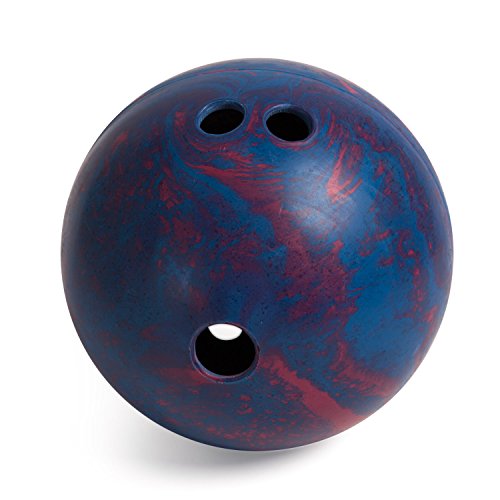
Best for young players or absolute beginners who need a lightweight option. This 2.5-pound ball is designed for smooth rolling and easy handling, with four finger holes including two thumbs to fit different hand sizes. The bright blue and red swirl aids visibility in gym or home settings. Use this if you want a forgiving start with minimal effort to achieve a straight roll. Caution: lighter balls require careful aim practice to build consistent hook potential later on.
Hammer Raw Bowling Ball — Solid Beginner Core
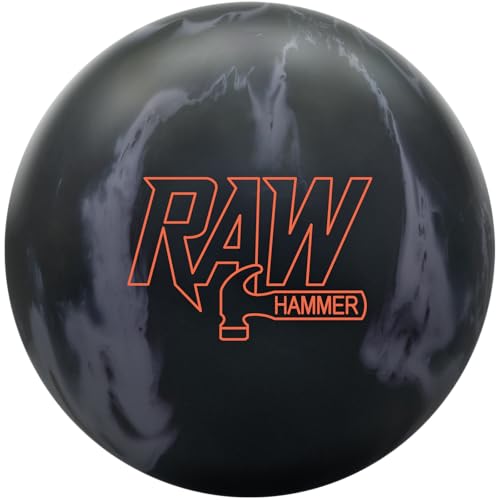
Best for beginners who want a realistic ball experience with versatile cover options. The Raw Hammer line offers solid, hybrid, and pearl variations, enabling progression as skill grows. Juiced coverstock variants and a symmetrical core provide predictable movement and steady performance for practice at different oil patterns. Choose this if you plan to advance beyond basic straights. Limitation: heavier weights like 14 pounds may require stronger throwing technique and more practice to maintain control.
EESC2Y Bowling Ball Workout Tool — Grip Hole Tuning
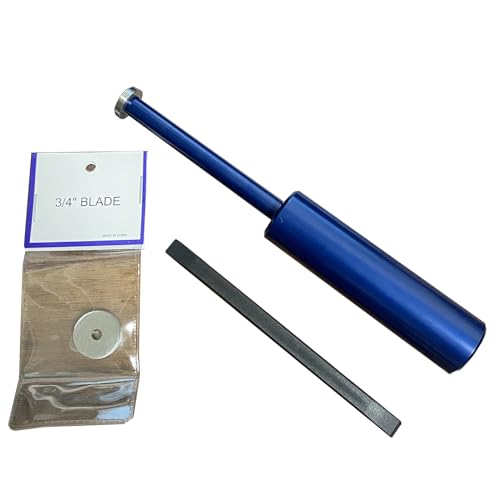
Best for players who want precise blunt adjustment of thumb and finger holes. The tool includes two blades and an insert stick, with a quality anodized aluminum handle for durable tuning sessions. It’s a strong fit for bowlers who need to optimize grip fit as they grow into a new ball. Caution: this is a maintenance accessory, not a standalone ball, so it should be used with compatible equipment and guidance.
Brunswick TZone Indigo Swirl Bowling Ball — Plastic Start
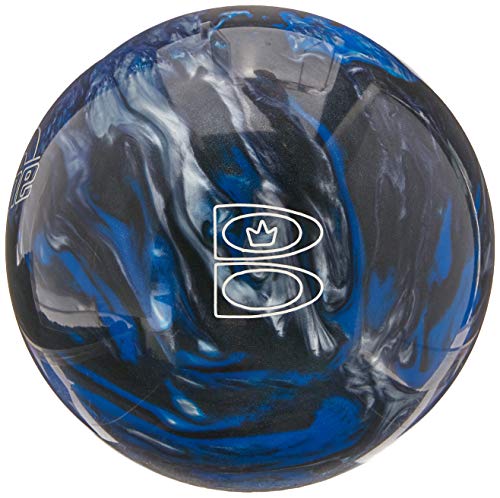
Best for beginners who want a durable, easy-to-control plastic ball. The TZone Indigo Swirl uses a polyester cover with a high-gloss finish and low hook potential, ideal for practicing straight throws and corner pocket accuracy. Suitable for lane transitions and lighter oil conditions. Limitation: limited hook potential means it won’t help with learning track movement or advanced hook dynamics.
Brunswick T Zone Night Sky Bowling Ball — Lightweight Practice

Best for new bowlers who want a manageable start in a smaller weight. The T Zone Night Sky features a polyester blend with dependable durability. While it offers straightforward performance for consistent practice, the lack of advanced core dynamics means it’s primarily a learning tool for straight shots and basic control. Choose this if you want a simple, no-frills entry ball to build confidence before stepping up to more complex balls.
Brunswick TZone Indigo Swirl 15-Pounds — Progressive Fit

Best for growing players who want a standard weight with reliable polyester performance. The Indigo Swirl 15-pound option shares the same easy-to-control polyester cover and low hook potential, making it a smooth transition from beginner models to mid-weight practice. Caution: heavier balls demand precise posture and stronger wrists to maintain accuracy during practice sessions.
Buying Guide
What should you consider when choosing bowling equipment for beginners? Start with weight, grip comfort, and ball type. Lightweights like 2.5 pounds are excellent for very young players and first-time bowlers learning basic form. Polyester plastic balls offer predictable straight rolls, while higher-hook options require developing technique. Grip customization helps ensure a secure feel as your hand strength evolves. Accessories like grip-tuning tools and maintenance towels support consistent practice and longer ball life.
Key questions to guide your purchase:
- Who is the ball best suited for — kids, teens, or adults just starting out?
- Do you prefer a lightweight ball for easy handling or a heavier ball to simulate standard play?
- Is the focus on straight throws with a beginner ball, or are you preparing to learn hook mechanics?
- Will you need grip customization tools to adjust thumb and finger holes over time?
- Do you want a maintenance towel to keep lanes and balls clean during practice?
FAQ
- What weight should a beginner start with? Start with a lightweight ball if you’re new or younger; move up gradually as control improves.
- Are plastic balls better for beginners? Yes, plastic (polyester) balls offer predictable straight throws, helping new bowlers learn accuracy.
- Do I need grip customization tools? They can help optimize fit as your grip changes, especially if you grow into a larger hand.
- Can a towel improve bowling performance? A microfiber towel aids grip maintenance and ball cleanliness, which supports consistent throws.
- How important is ball color and visibility? Bright colors help track the ball’s path, which can improve practice feedback.
- When should I upgrade to a higher-performance ball? Upgrade as you become confident with straight throws and want more control and variation.