Best Running Shoes for Beginners: Comfortable, Supportive Footwear to Start Strong
New runners often seek comfort, stability, and value in a single pair of shoes. This guide highlights beginner-friendly options that prioritize cushioning, breathable uppers, and smooth transitions. Each pick is suited for walkers or new runners who want reliable daily comfort. Below you’ll find a quick summary table and five carefully chosen shoes designed to ease new feet into regular training.
| Product | Best For | Key Benefit |
|---|---|---|
| Nike Men’s Revolution 8 | Men’s beginners | Breathable mesh with responsive foam |
| Nike Women’s Revolution 8 | Women’s beginners | Lightweight cushioning and rocker geometry |
| Brooks Ghost 17 | Neutral runners | Soft DNA Loft cushioning for everyday comfort |
| New Balance Fresh Foam 520 V9 | Easy miles | Plush Fresh Foam and breathable mesh |
| Under Armour Charged+ Assert 11 | All-around learners | Midsole cushioning with durable outsole |
Nike Men’s Revolution 8 Road Running Shoes

The Nike Revolution 8 is a practical choice for beginner male runners. Its mesh upper promotes breathability and keeps feet cool through easy miles and warm-weather runs. The foam midsole combines with rocker-inspired geometry to provide comfortable cushioning, supporting steady progression from walking to light jogs. The outsole features Nike’s flex grooves for a natural roll during toe-off. Best for new runners who value light weight and everyday training, this shoe emphasizes comfort and straightforward performance.
Best for: Men starting out who want a breathable, low-profile daily trainer. Caution: The shoe’s responsive feel is subtle, so athletes seeking aggressive energy return may prefer firmer options.
Brooks Ghost 17 Neutral Running Shoe

The Ghost 17 is designed for everyday comfort and long miles, making it a strong pick for beginners who plan regular running or walking routines. It uses soft DNA LOFT v3 cushioning in the heel and forefoot to deliver plush landings and smooth transitions. The shoe also features a refined midsole with improved flex grooves to promote a natural stride. This model is well-suited for road running, walking, and light cross-training. It’s a solid all-around option for new runners seeking reliable cushioning and support.
Best for: Women seeking a soft, forgiving ride for gradual mileage buildup. Limitation: The design leans toward comfort over a very racing-oriented feel, which may not suit those chasing ultra-responsive performance.
New Balance Fresh Foam 520 V9
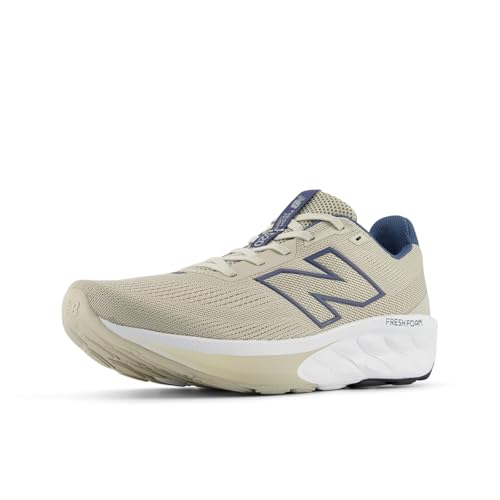
The Fresh Foam 520 V9 combines plush cushioning with a breathable mesh upper, making it a comfortable option for easy runs and daily workouts. The engineered mesh helps keep feet cool, while the durable rubber outsole provides reliable traction on roads and tracks. This model emphasizes a balanced, soft ride ideal for beginners who value comfort over speed. The clean, straightforward design also lends itself to everyday wear outside of training sessions.
Best for: Beginners who want a cushioned, easygoing ride for casual miles. Caution: The outsole may feel slightly soft on very fast tempo runs.
Under Armour Men’s Charged+ Assert 11

The Charged+ Assert 11 offers a sturdy blend of upper support and plush midsole cushioning. The athletic mesh upper with leather overlays adds structure, while the Charged+ midsole delivers a soft, responsive feel suitable for daily training. The durable outsole includes flex grooves to support an efficient toe-off. This shoe is a good pick for beginners who want reliable comfort across different surfaces and training days. It also uses recycled content on the upper, aligning with sustainability-minded buyers.
Best for: Beginners who want a versatile trainer with solid cushioning and traction. Limitation: Heavier builds may find it less nimble than lighter models.
Buying Guide: How To Choose Your First Running Shoes
What concerns should beginners focus on?
Look for a cushioned midsole, breathable upper, and a forgiving fit. A smooth heel-to-toe transition helps reduce fatigue on longer walks or runs. If you’re starting with short distances, prioritize comfort over responsive racing features.
Should you choose neutral or stability shoes?
Neutral shoes are suitable for most beginners with a neutral gait. If you overpronate or need guidance to control excessive inward rolling, consider a stability model. For many new runners, a well-cushioned neutral shoe provides ample support while learning form.
How important is weight?
Sometimes lighter shoes feel quicker, but a heavier shoe with extra cushioning can reduce fatigue on longer sessions. For beginners, prioritize cushioning and fit over weight until your training progresses.
How to assess fit and comfort?
Ensure there is a thumb’s width of space at the toe box and a secure heel fit. Try walking and gently jogging in the shop to test comfort. If you buy online, check return policies and try the shoes with the socks you plan to wear during runs.
Which features matter most for beginners?
Breathability, cushioning, and a flexible forefoot are key. A rocker geometry can improve smooth transitions, while a durable outsole helps with consistent traction on pavement and light trails.
How should you transition from walking to running?
Start with run-walk intervals, gradually increasing running time as comfort grows. A shoe with reliable cushioning and a forgiving fit helps minimize fatigue and reduces the risk of irritation as you build mileage.
Care and longevity tips
Rotate shoes to extend life, replace shoes every 300-500 miles depending on wear, and keep them dry after workouts to prevent odor and material breakdown.
FAQ
- What is the best beginner running shoe?
- How do I know if I need stability support?
- Can I wear running shoes for daily wear?
- How long do beginner shoes typically last?
- Should I buy shoes in a half size up?
- What is the advantage of a rocker outsole for beginners?
Direct Answers:
- The best beginner shoe depends on fit, cushioning, and comfort for your gait; popular choices include models with soft foam and breathable uppers.
- Stability is needed if you overpronate or have a flat arch; otherwise, neutral shoes with good cushioning often work well for beginners.
- Running shoes can be worn as everyday footwear, but they lose structure over time; rotate with other shoes if possible to extend life.
- Beginner shoes often last 300-500 miles; check wear patterns and replace when cushioning compresses.
- Half-size adjustments depend on foot width and toe comfort; if you’re between sizes, sitting in the toe area and heel fit should guide you.