Best High Powered Binoculars for Astronomy and Stargazing
Whether you’re mapping moon craters or tracking distant nebulae, the right high-powered binoculars can transform your stargazing. This guide highlights five top options tailored for astronomy enthusiasts, with clear notes on who each is best for, what to expect, and potential limitations. If you value light gathering, rugged build, and stable viewing, these picks help you compare quickly and decide which model fits your observing goals.
Buyer profiles at a glance:
- Beginner to mid-range astronomers seeking strong low-light performance and tripod-ready setups.
- Seasoned stargazers who want higher magnification for detailed lunar and deep-space viewing.
- Observers who plan coastal or wilderness viewing with rugged, weather-resistant builds.
| Product | Best for | |
|---|---|---|
| 18×70 Astronomy Binoculars (Sogries) | 18x / 70mm | Long-range stargazing and twilight viewing |
| Celestron SkyMaster 20×80 | 20x / 80mm | High-detail lunar/planetary and long-distance terrestrial viewing |
| Vortex Triumph HD 12×50 | 12x / 50mm | Versatile outdoor use with solid image quality |
| Celestron SkyMaster 15×70 | 15x / 70mm | Balanced power for stargazing and geography |
| 20×80 Astronomy Binoculars (Sogries) | 20x / 80mm | Very bright, detailed astronomy and deep-sky targeting |
18×70 Astronomy Binoculars by Sogries

Key features include 18×70 optics with BAK-4 prisms and fully multi-coated FMC lenses, a rugged metal barrel with rubber armor, and IPX7 waterproof protection. Best for: dedicated stargazers who want significant light-gathering in twilight and deep-space viewing. Limitation: heavier weight may require a stable tripod for extended sessions.
Celestron SkyMaster 20×80 Binoculars

This model features 20x magnification with 80mm objective lenses and a built-in tripod adapter for steady long-range viewing. Best for: observers who want bright, detailed deep-sky or terrestrial views and plan to mount on a tripod. Limitation: large and heavy; tripod usage is recommended and often necessary.
Vortex Triumph HD 12×50 Binoculars
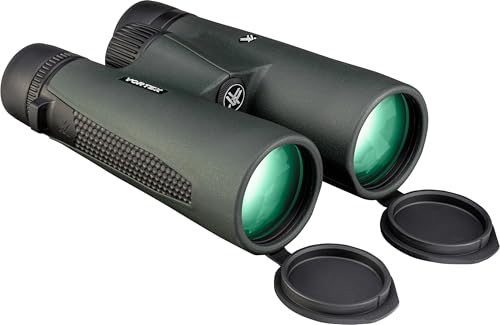
Equipped with an HD optical system, fully multi-coated lenses, and a nitrogen-purged fog- and waterproof design. Best for: hikers and field observers who need reliable performance in varying weather with solid edge-to-edge sharpness. Limitation: 12x magnification may be less suited for ultra-detailed lunar work without a tripod.
Celestron SkyMaster 15×70 Astronomy Binoculars

Offers 15x magnification with 70mm objectives and BaK-4 prisms for brighter, sharper views in twilight. Best for: stargazers who want a balance of power and portability with tripod compatibility. Limitation: not as large as 20×80 units, so some faint objects may require darker skies for optimal visibility.
20×80 Astronomy Binoculars by Sogries

This model emphasizes 20x magnification with 80mm objectives and BaK-4 prisms for bright, detailed celestial views. Includes a tripod and carrying case. Best for: astronomy enthusiasts who want maximum light gathering in a manageable 4.66 lb package. Limitation: high magnification increases shake risk without tripod support.
Celestron SkyMaster 25×70 Binoculars

Provides strong 25x magnification with 70mm objectives and a tripod-ready design via ¼”-20 adapter. Best for: observers pursuing distant objects or star clusters where higher magnification improves detail. Limitation: heavier and more difficult to hold without stabilization; tripod recommended.
Buying Guide: High Powered Astronomy Binoculars
Key considerations help you pick the right model for your observing goals. Practical questions below guide your choice.
- What magnification do I need? Higher magnification reveals more detail but requires a stable mount. For handheld use, 12x–15x is a practical range; for tripod-supported use, 20x–25x opens more distant targets.
- How important is light gathering? Larger objective lenses (70–80 mm) increase brightness, especially under dawn/dusk skies or for lunar and deep-sky targets.
- Should I prioritize BaK-4 prisms and FMC coatings? Yes. BaK-4 prisms improve light transmission and sharpness; FMC coatings reduce glare and increase contrast.
- Is a tripod or mount necessary? For magnifications above 15x, a stable tripod is highly recommended to avoid shake and maintain clear views.
- Weather and durability considerations? Look for waterproof, fog-proof designs if you observe in varying conditions or coastal environments.
- Portability vs. performance? Heavier units deliver more light and detail but may reduce convenience for field use; balance weight and handling in your choice.
Frequently Asked Questions
- Q: Can I handhold high-powered astronomy binoculars? A: While possible at lower magnifications, higher power (15x–25x) typically requires a tripod for stable viewing.
- Q: Are BaK-4 prisms necessary? A: They improve light transmission and sharpness, especially in dim conditions, making them a common feature in astronomy models.
- Q: What’s the benefit of larger objective lenses? A: Larger lenses gather more light, producing brighter images vital for dim celestial targets.
- Q: How important is waterproofing? A: For field use in varying weather, waterproof and fog-proof designs help maintain optical clarity.
- Q: Can these binoculars replace a telescope? A: They supplement a telescope by offering wide-field views and quick-look capability, not a complete replacement for deep-sky imaging.