Best Soft Foam Rollers for Beginners: Gentle Options for Safe Muscle Recovery
Soft density foam rollers provide a gentler introduction to self-massage, mobility, and recovery. This guide highlights beginner-friendly choices that balance comfort with effectiveness, so you can roll out tight muscles without excessive pressure. The listed products are suitable for beginners, physical therapy patients, and anyone easing into regular rolling routines. Each entry explains who it’s best for and why, with practical cautions to consider before you start.
| Product | Best For |
|---|---|
| OPTP PRO-Roller Soft Density Foam Roller – 36″ Blue | Full-body use, long back and legs; beginners needing larger coverage |
| OPTP PRO-Roller Soft Density Foam Roller – 18″ Blue | Back and smaller muscle groups; portable option for travel |
| Amazon Basics High-Density Foam Roller – 18″ Black | Firm base for stability; beginners who want moderate challenge |
| Foundation Roller by TRIGGERPOINT – 12″ Soft | Sensitive areas and quick relief; ideal for gentle therapy |
| SENSORY4U Soft Density Foam Roller – 36 x 6 Inch | Therapy and recovery; versatile for back, legs, and hips |
Below are five handpicked options, each with a clear use case, so you can match your needs to the right soft foam roller. Use this as a quick reference to compare size, density, and primary benefits.
OPTP PRO-Roller Soft Density – 36″ Blue

Features: Durable EVA closed-cell soft foam; easy to wipe clean; suitable for gym, studio, clinic, or home. Versatile for Pilates, yoga, balance, mobility, rehabilitation, and self-massage. Soft density supports full-body positioning and easing tension.
Best for: Beginners seeking a longer roller for full-back and leg coverage; a stable option for initial foam rolling routines.
Caution: Longer rollers may feel harder if you’re very sensitive to pressure; start with light pressure and progress gradually.
OPTP PRO-Roller Soft Density – 18″ Blue

Features: Durable EVA closed-cell soft foam; easy to wipe clean; versatile for Pilates, yoga, and rehabilitation. Suited for back rolling when lying supine and for self-massage to release tension.
Best for: People who want a more portable option or need a smaller footprint for focused muscle groups.
Caution: Smaller diameter can feel less stable for beginners when using on the back; ensure proper form and support during initial sessions.
Amazon Basics High-Density Foam Roller – 18″ Black
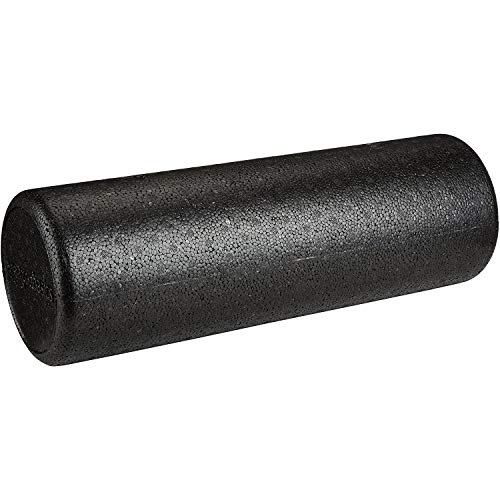
Features: High-density foam in black; stable, durable polypropylene core; molded edges for comfort; suitable for balance, strengthening, and flexibility exercises.
Best for: Beginners seeking a firmer baseline to build strength and stability without sacrificing control.
Caution: Higher density means more pressure; progress gradually to avoid overloading sensitive areas.
Foundation Roller – 12″ Soft by TRIGGERPOINT

Features: Gentle compression for a softer recovery experience; soft-touch surface comfortable against bare skin; designed for consistent performance and long-lasting shape.
Best for: Individuals with sensitive muscles or injuries who need a gentle entry point for self-massage and mobility work.
Caution: Smaller size means shorter rolling coverage; may require more passes for full-body routines.
SENSORY4U Soft Density Foam Roller – 36 x 6
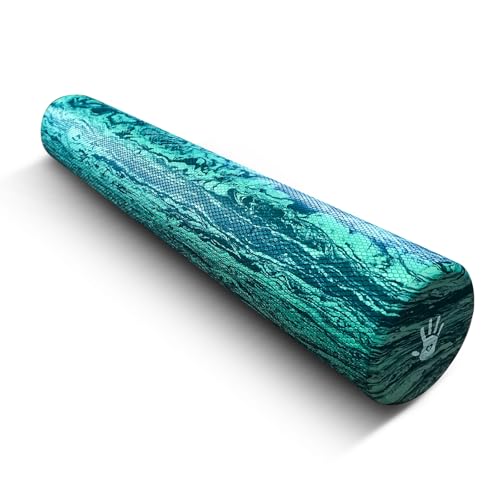
Features: Gentle low-intensity compression; ideal for therapy, rehabilitation, and daily exercise; long length supports back, hamstrings, quads, calves, IT band, and glutes; promotes mobility and circulation.
Best for: Beginners and rehab clients who benefit from a forgiving roller with broad coverage for gentle myofascial release.
Caution: Very soft density may not provide sufficient pressure for users needing deeper tissue work; pairing with lighter sessions is recommended.
Buying Guide: Soft Foam Rollers For Beginners
What should beginners consider when choosing a soft foam roller?
- Density and pressure: Softer densities reduce discomfort and are ideal for first-time rollers or sensitive muscles. Increase density gradually as comfort and tolerance improve.
- Length and coverage: Longer rollers (36″) provide full-back coverage and smoother rolls; shorter options (12″–18″) are more portable and suitable for targeted areas.
- Texture and surface: Smooth surfaces are gentlest on the skin; light textures can aid blood flow without adding excessive pressure.
- Durability and cleaning: Closed-cell foam is easier to clean and resists moisture; wipe down after use to maintain hygiene.
- Intended use: For therapy and rehab, look for rollers designed with gentle compression and skin-friendly surfaces; for yoga and mobility, versatility and stability matter.
How To Use A Soft Foam Roller Safely
- Warm up with light movement before rolling; never roll over joints or bones.
- Start with 1–2 minutes per muscle group and gradually increase duration as comfort allows.
- Use slow, controlled motions; avoid bouncing or forcing deeper pressure on tender areas.
- Breathing: exhale as you roll into pressure and inhale as you release to reduce tension.
- Maintenance: Clean after use and store in a cool, dry place away from direct sunlight to extend life.
Frequently Asked Questions
- Q: Are soft foam rollers suitable for beginners with back pain? A: Yes, soft density rollers are generally better for beginners dealing with mild back discomfort. Start with light pressure and short sessions, and consult a professional if pain persists.
- Q: How long should a beginner roll each area? A: Begin with 1–2 minutes per muscle group, gradually increasing to 5–10 minutes per session as tolerance builds.
- Q: What size is best for a total-body routine? A: A 36″ roller offers the most coverage for the back and legs, but a portable 18″ option can work for targeted areas or travel.
- Q: Do I need a textured surface? A: A soft, smooth surface reduces skin irritation for beginners; texture can be added later if needed for deeper relief.
- Q: How often should beginners use a foam roller? A: It can be used several times per week as part of a balanced mobility and recovery plan, ensuring rest days between intense sessions.