Best Weighted Vests for Running and Training
Discover the best weighted vests and backpacks designed for running, walking, and strength work. This guide highlights versatile options that balance comfort, safety, and effective resistance. Ideal for runners seeking added tempo, walkers building endurance, and athletes pursuing muscle gains with controlled loading.
The following table summarizes the five selected products, focusing on weight range, comfort features, and best-use scenarios.
| Product | Weight Range | Best For | Notable Benefit |
|---|---|---|---|
| Zeerun Weighted Vest | 10–30 lbs | Runners and walkers | Skin-friendly neoprene and snug fit |
| ZELUS Weighted Vest (12 lb) | 6–30 lbs | Strength training | Even weight distribution with reflective stripe |
| Zikopomi Weighted Vest | 8–20 lbs | Everyday fitness | Dual adjustment and comfortable fabric |
| WOLF TACTICAL Men’s Weighted Backpack | Up to 40 lbs | Rucking and tactical training | MOLLE storage and plate compatibility |
| RUNmax Run Fast 20 lb Vest | 20–150 lbs capacity | Progressive loading | Adjustable with breathable mesh and reflectivity |
Zeerun Weighted Vest Review

The Zeerun weighted vest offers adjustable weights from 10 to 30 pounds, making it versatile for both running and strength sessions. It uses skin-friendly neoprene with reinforced seams to withstand high-intensity workouts. The thickened shoulder pads and an elastic band with adjustable buckle help minimize movement and chafing, providing a snug, stable fit. This vest is best for runners and walkers who want a comfortable, non-bulky load without sacrificing mobility. A limitation is that heavier weights may feel more rigid during longer runs, so users should gradually acclimate.
ZELUS Weighted Vest (12 lb) Overview

The ZELUS vest emphasizes durable neoprene with double stitching and iron sand weights for long-lasting endurance. It features dual storage pockets—detachable front zipper pockets plus a rear elastic mesh pocket—ideal for carrying keys or a phone during outdoor training. Cushioned shoulder straps and non-chafing fabric provide all-day comfort. Choose this if you want secure storage and a comfortable, balanced load for gym or outdoor workouts. Beware of bulkier pockets that may slightly constrain dynamic movements in sprint-focused drills.
Zikopomi Weighted Vest Highlights
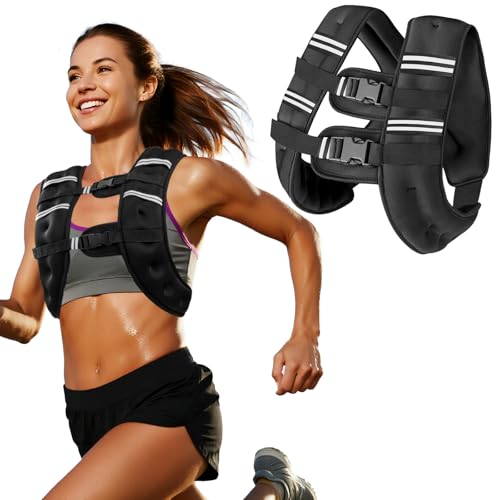
The Zikopomi vest uses adjustable straps and a balanced iron sand fill to provide even weight distribution across workouts. It’s designed for versatility in running, strength work, and general fitness. Best for users who want an affordable, easy-to-adjust option without sacrificing weight accuracy. A limitation is that the fixed range may feel restrictive for those who need frequent weight changes within a single session.
WOLF TACTICAL Rucking Backpack Essentials

The WOLF TACTICAL backpack is designed with rucking in mind and supports up to 40 pounds with standard weight plates. It features laser-cut MOLLE storage to attach pouches and accessories, plus a low-profile pocket for essentials. This option suits users who want a heavier load and modular storage for longer workouts or training scenarios that mimic field conditions. A potential drawback is the need for compatible weight plates, which adds setup complexity and cost.
RUNmax RF20nop Run Fast Vest Performance
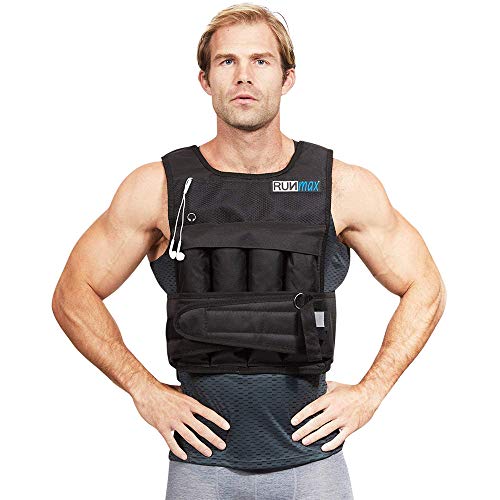
The RUNmax RUNfast vest offers an adjustable weight range allowing 20 to 150 pounds of total capacity with removable weights. It features an ergonomic, breathable mesh design and optional shoulder pad configurations, plus reflective strips for visibility during low-light workouts. It is best for progressive training plans where weight is incrementally increased. The removable weight system and size range provide flexibility, but the vest may require time to dial in the most comfortable setup for longer sessions.
WANOON Plus-Size Friendly Vest
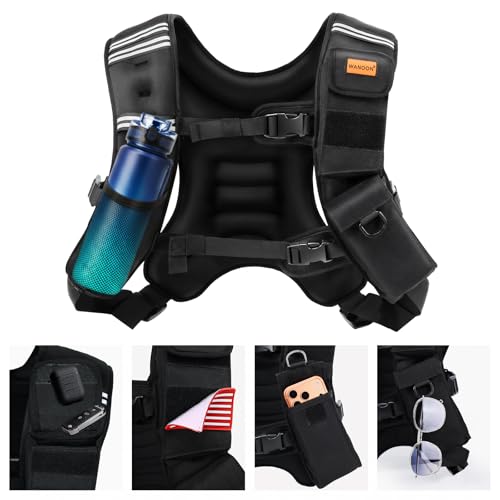
The WANOON vest provides fixed weights across several options (8, 12, 16, 20, 30, 40 lbs) with a universal fit including plus-size users. It emphasizes a secure, non-bouncing fit with anti-slip shoulder pads and breathable mesh for airflow. Best for beginners through advanced users who want a stable weight without adjustable increments. A potential limitation is the fixed weight, which may not be ideal for users who prefer precise micro-adjustments during mixed workouts.
Buying Guide
- Weight range and progression: Look for adjustable weights or a wide fixed range to grow with your fitness goals. Progressive loading supports endurance, strength, and calorie burn.
- Fit and comfort: Prioritize soft, breathable fabrics and well-padded straps. A snug, bounce-free fit reduces fatigue and injury risk during runs.
- Weight distribution: Even distribution minimizes shoulder strain. Vests with front and rear weight placement or dual-strap designs are typically more stable.
- Materials and durability: Neoprene, reinforced stitching, and corrosion-resistant weights extend lifespan across intense sessions.
- Storage and accessibility: Pockets and MOLLE systems are beneficial for carrying keys, phones, and small accessories during outdoor workouts.
- Reflectivity and safety: Reflective strips improve visibility in low-light conditions for early morning or evening runs.
- Compatibility and setup: Some products require weight plates or detachable components. Consider your current equipment and budget for any extras.
- Intended use: Choose a vest suited to running, walking, rucking, or mixed training, and avoid models that feel bulky for your typical workouts.
FAQ
- What weight should I start with for running? Beginners typically start with 6–12 pounds and increase gradually as comfort and form improve.
- Are weighted vests safe for knee and back health? When used with proper form and progressive loading, weighted vests can be safe; avoid overloading and take rest days as needed.
- Do these vests affect running speed? Added resistance can slow pace; use shorter intervals or incline training to adapt before longer runs.
- Is the weight distribution important? Yes, even weight distribution reduces fatigue and lowers injury risk during movement.
- Can I wear a weighted vest with reflective gear? Yes, many vests include reflective strips; ensure it remains visible and comfortable when layered with other gear.
- What maintenance is required? Wipe fabrics after use and keep weights dry; check seams for wear and replace parts as needed.